Localization as a Vision for the Future
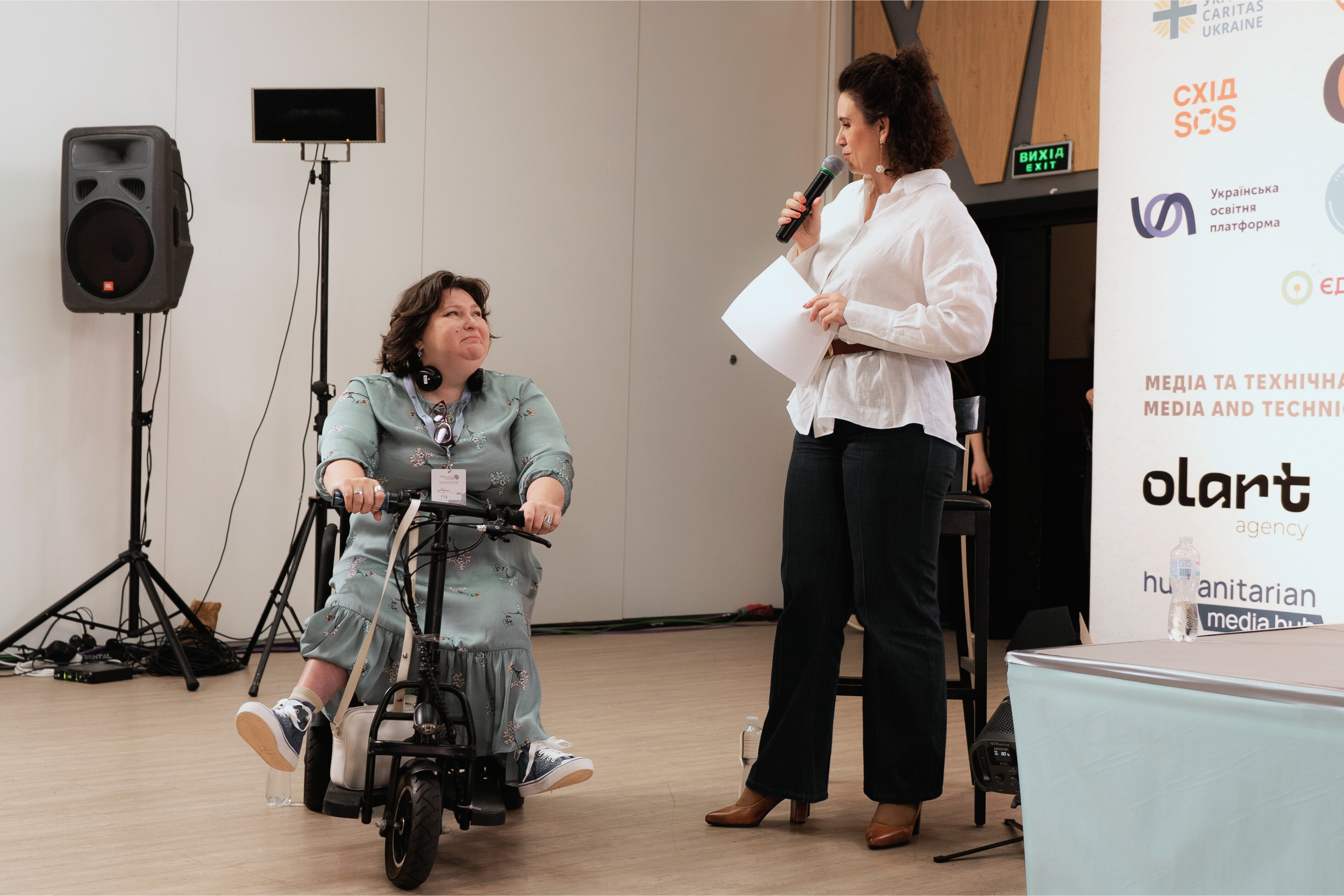
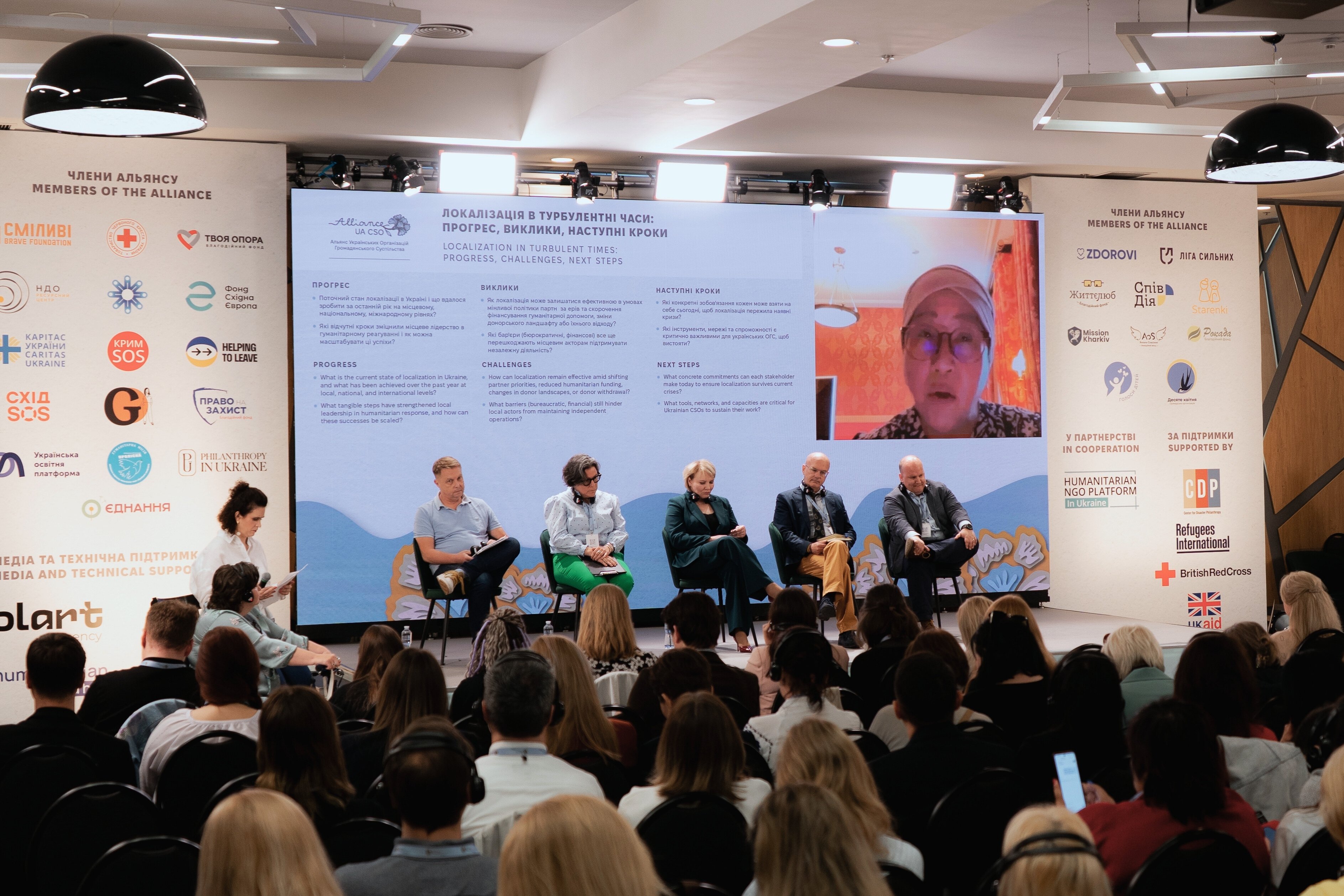
This topic, during The Third Annual Ukrainian Aid Leadership Conference proved that localization is a vision for the future where community leadership becomes the focal point of change. The panel was moderated by Dr Yuliya Sporysh, NGO “Girls”, who set the tone for the discussion.
“Localization is not just about transferring resources or authority, but about partnership.” – This message was the common thread throughout the presentations by Ukrainian and international speakers.
Global Context and Humanitarian Reboot
In her video address, Denise Brown, UN Humanitarian Coordinator in Ukraine (2022–2024), emphasized the importance of sustainability in the context of aid:
“The international system has resources, but it is the local responders who understand community needs. Localization is about sustainability because when international presence ends, local leaders remain.”
This emphasis on longevity was supported by Ann-Sophie Le Beox (UN OCHA):
“The world is undergoing profound transformations in the humanitarian sphere, and Ukraine is no exception. Local organizations are becoming drivers of change, and the reforms being implemented aim not only to increase efficiency but also to lay the foundation for sustainable development. At the center of these changes are localization and partnership.”
“Ukraine is not just implementing localization; it is shaping a new humanitarian model. Reforms like the humanitarian reboot are our guide to effective, less bureaucratic, more humane aid. And communities must become its leaders.”
The Ukrainian Landscape: Resilience Amidst Fatigue
Matthias Schmale, UN Resident Coordinator in Ukraine, commended Ukrainian organizations working on the frontlines of aid:
“I have seen with my own eyes how over 400 Ukrainian organizations save lives every day – on the frontlines, during evacuations, in the first minutes after shelling. This is an example of true localization. But we must do more: simplify procedures, trust local actors, share resources. Because our legacy is not only aid but also supporting Ukrainian mechanisms that will continue working after we leave.”
At the same time, he acknowledged: “At the level of procedures and access to funding, fairness is still lacking. Transparency and simplification must become the standard, not the exception.”
Trust as the Foundation of Sustainable Partnership
Jemilah Mahmood, Ambassador of The Grand Bargain, reminded that localization begins with recognizing the dignity and contribution of local organizations:
“Localization is not about transferring authority; it is about recognizing the value of those already keeping communities afloat. It is crucial that those who are the heart of this work do not disappear due to financial difficulties.”
This echoed the words of Maryna Kurochkina, President of NGO “The 10th of April”, Odesa:
“Ukraine varies greatly from region to region. Therefore, local organizations know best what is happening on the ground. They are close to the people and their needs. Localization is not always about increasing the number of organizations or their physical growth. It is about how even small or new organizations immediately gain strength and capability, enabling them to act on par with more experienced partners. How will we survive in times of crisis? It seems turbulence is a natural state for Ukrainian society. It didn’t start in 2020, or even 2014. It started much earlier. This is natural for us, so we are always in a state of readiness.”
Challenges and Caveats
Among the key insights of the discussion were the words of Fredrik Larsson, Director of the NGO Resource Centre, about the risks of bureaucratizing the humanitarian sphere:
“If we forget that humanitarian response is about people, even the best rules become a competition for technical perfection. I will accept bureaucracy only if it is underpinned by innovation and recognition of the work of those on the ground.”
From Aid to Sustainable Development
Massimo La Rosa, Senior Humanitarian Advisor and Social Protection Specialist, DG ECHO (European Commission):
“Ukraine has all the prerequisites for transitioning from humanitarian aid to sustainable development and scaling up localization, which is central to this process. Transparency, trust, innovative financing approaches, and strategic dialogue between the government, civil society, and international donors are key to effectively transforming the aid system into one that is not only fast but also resilient. Local organizations must be at the center of this process.”
He was supported by Julian Zakrzewski, Director of Danish Refugee Council, Ukraine:
“We plan to fully shift our support to the local level by 2027 – focusing on strengthening the capacity of local actors, long-term funding, and reducing their dependence on our structures. Our goal is to reduce our own intervention and strengthen the potential of local players. At the same time, true localization is not just about transferring funding or authority to other organizations. It is a long-term partnership based on trust and continuous dialogue.”
The Return of Ukrainians – A Challenge and an Opportunity for Recovery
According to Olha Altunina, Representative of the Verkhovna Rada Commissioner for Human Rights:
Only 25% of Ukrainians abroad plan to return.
Key conditions: ceasefire, housing, jobs, simplified procedures. But these very people can become a driving force in localization processes and the country’s overall recovery.
“Financial support comes first. Next is help with employment, finding social housing, retraining, and simplifying document restoration procedures. People want bureaucratic procedures to be as simple as possible after returning. That is why we have submitted proposals to the government to improve legislation and create mechanisms to help people decide to return, and all this also fits into the localization strategy.”
Key Conclusions
- Civil society already performs critical functions: evacuation, education, aid.
- Systemic integration of NGOs into government strategies is needed.
- Long-term partnership, not short grant cycles, is the foundation of success.
- Financial trust, flexibility, and transparency are keys to sustainability.
- Localization is not just about transferring authority, but about shared responsibility and community leadership.