Alliance UA CSO presented the results of a survey on the educational needs of humanitarian workers in Ukraine
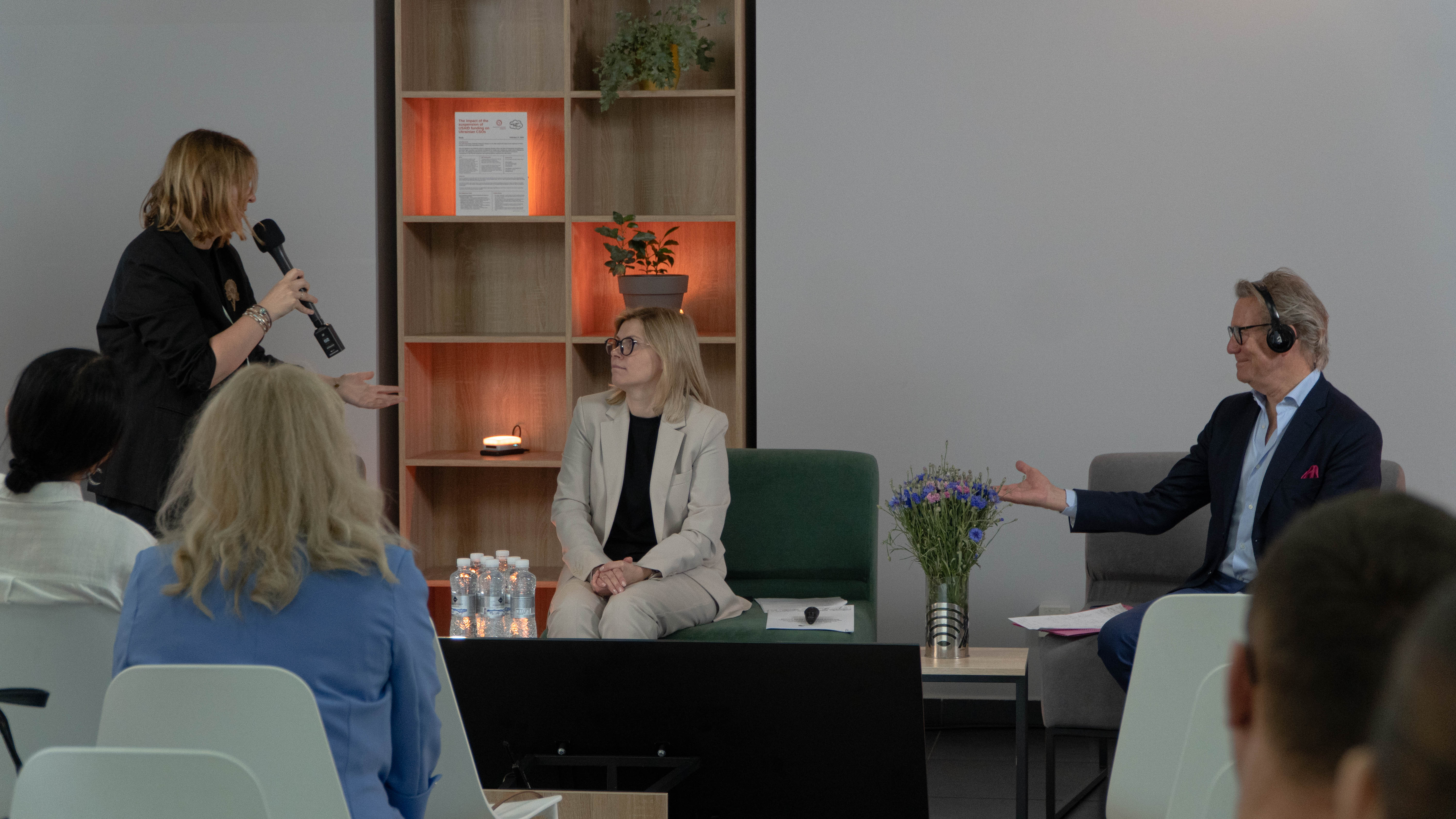
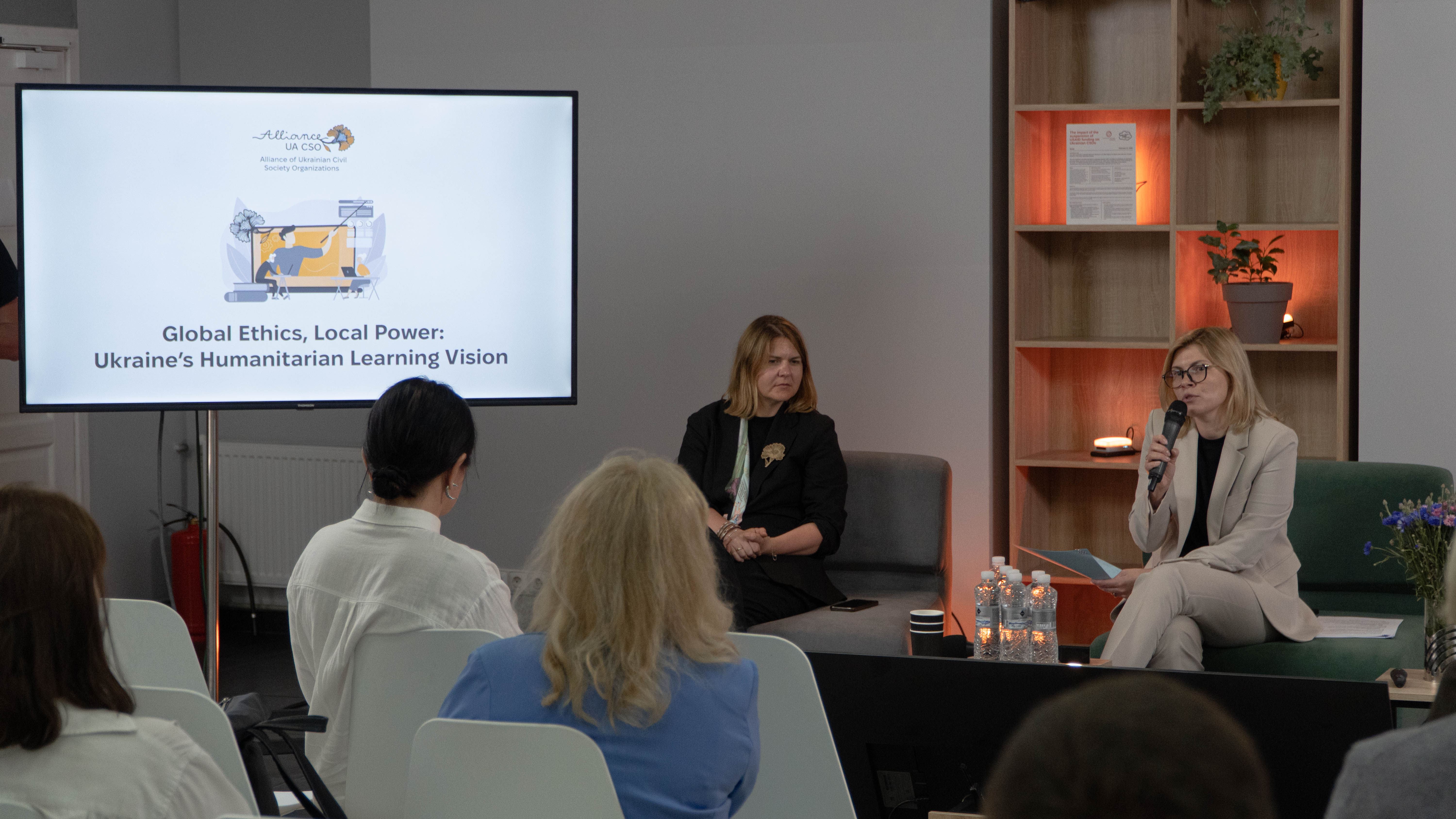
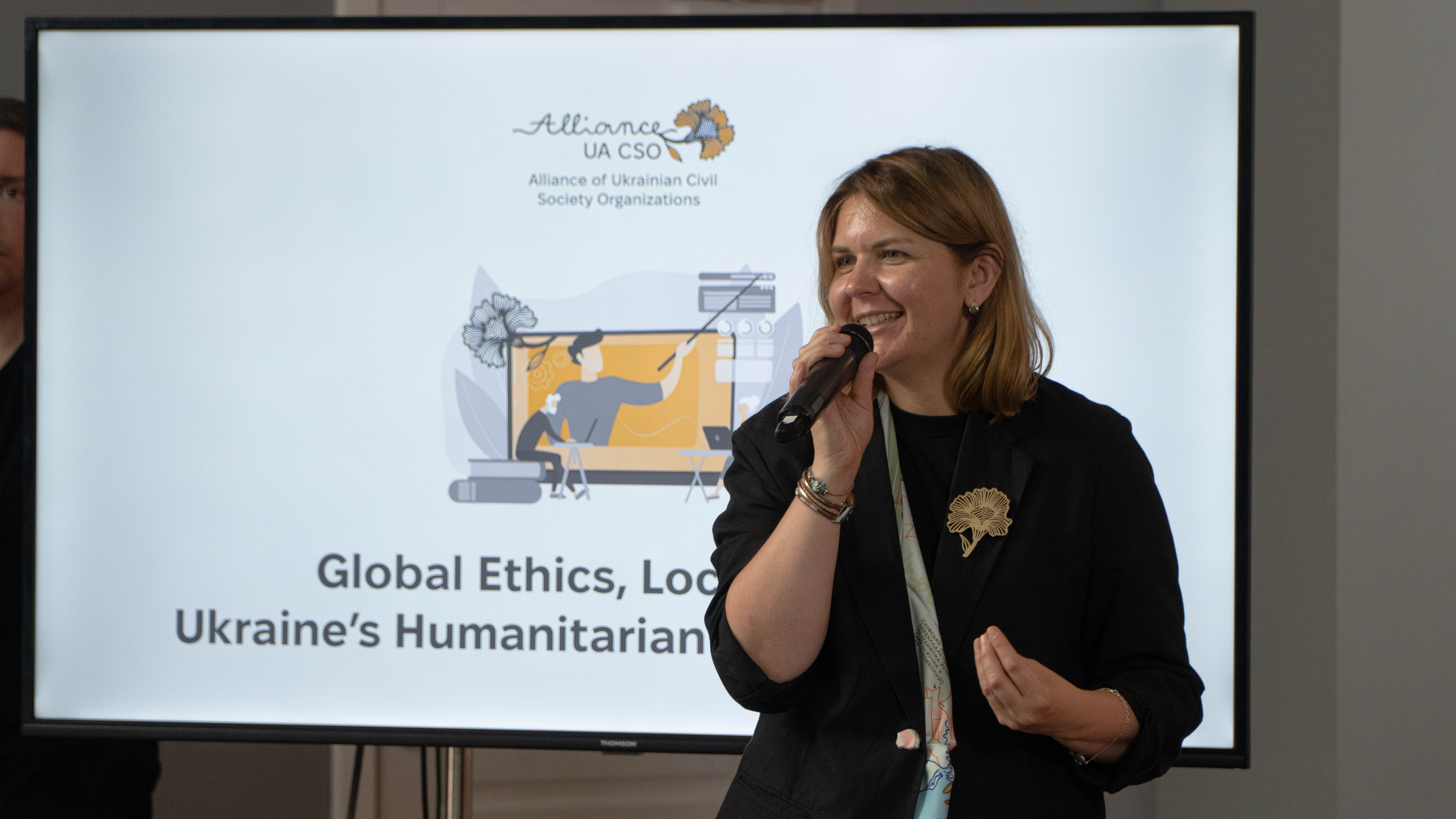
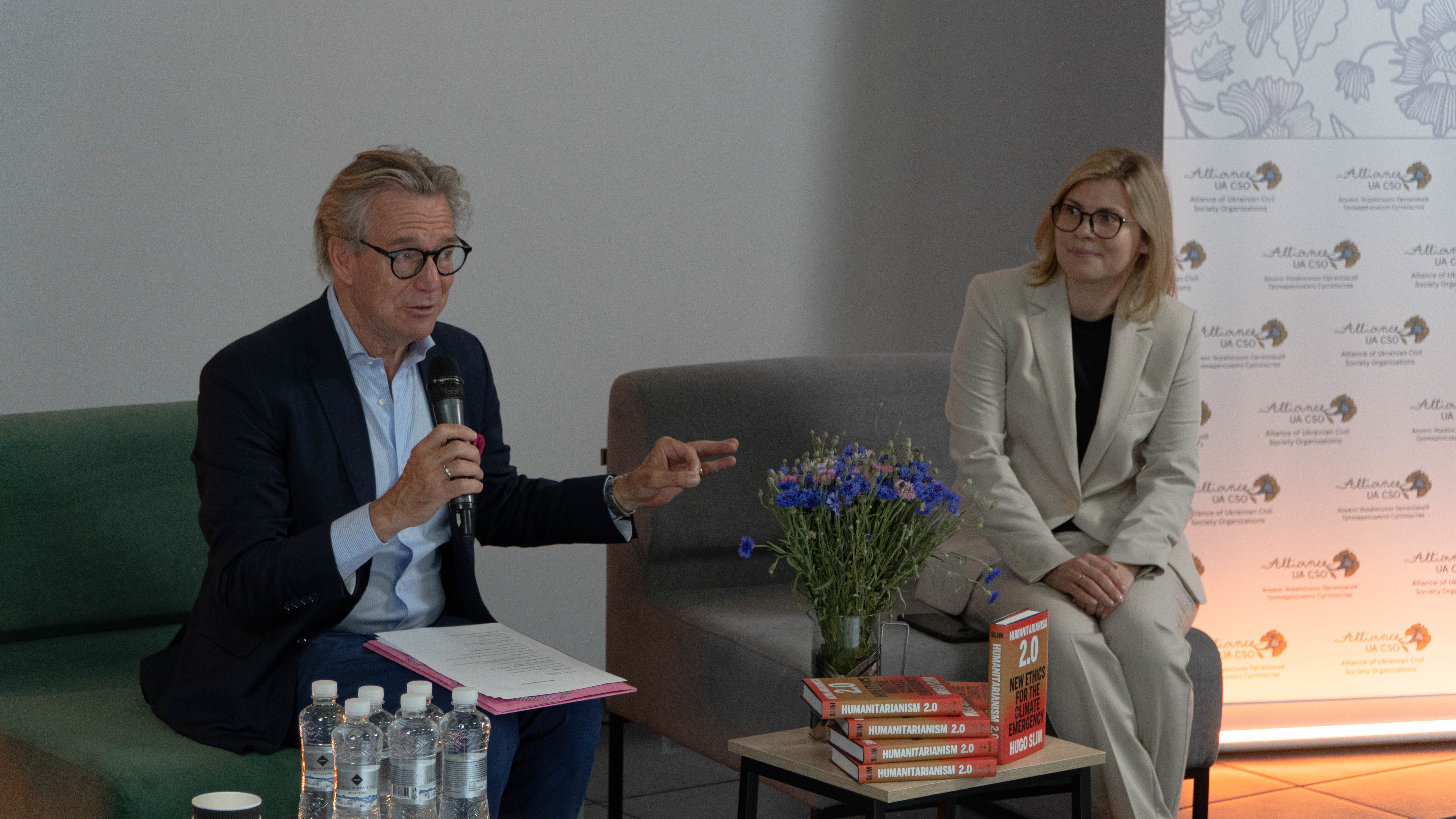
This research was part of the development of a prototype training ecosystem, which was first presented on 19 June at the event “Global Ethics, Local Power: Ukraine’s Humanitarian Learning Vision”.
Why did we conduct this survey?
To better understand the real needs of the humanitarian sector — from field workers to programme managers. We sought to gather honest answers about:
- which topics are most important but often missing from trainings and courses;
- which formats work and which do not;
- what is missing after completing the education;
- what should be included in the future education system so that it meets the Ukrainian context and international standards.
245 respondents from national NGOs, civil society groups, international humanitarian organizations, and educational institutions participated in our survey between 9 and 13 June 2025. The results speak for themselves!
Key insights
- 90%+ have undergone training in the last 2 years, but 30% rated it as only “satisfactory” or worse.
- Most in-demand topics:
working in crisis situations (53.5%)
advocacy (52.7%)
localisation (50.2%)
humanitarian architecture (46.1%) - Most lacking formats:
practical simulations (64.5%)
mentoring (59%)
communities of practitioners (45.7%) - Certification is critically important for 90%+ of respondents.
- Open responses confirm the demand for an ecosystem approach: access to a knowledge hub, mentors, regular content updates.
What’s next?
Building a comprehensive national learning ecosystem is one of the key priorities of the 2025 Operational Plan for a locally led response strategy in Ukraine (2024–2029).
This involves institutional change:
- professionalisation of the sector;
- recognition of certification and certificates;
- systematic work with Ukrainian educational institutions;
- integration with global platforms and standards.
Materials for review
Report
Presentation
Advocacy note
Join the discussion, share with your teams, and become part of the change — together we are building a humanitarian education that responds to the real challenges of today.