Who Cares for Those Who Rescue Others?
Every day across Ukraine, thousands of humanitarian workers and volunteers help people – even under shelling, in frontline cities, risking their own lives. They deserve not only gratitude but also real protection.
Alliance of Ukrainian Civil Society Organizations, The Swiss Agency for Development and Cooperation, Humanitarian NGO Platform in Ukraine call on donors and international partners:
Integrate the principle of Duty of Care into humanitarian project budgets. This is a necessity. The protection and well-being of local workers must become part of every humanitarian program.
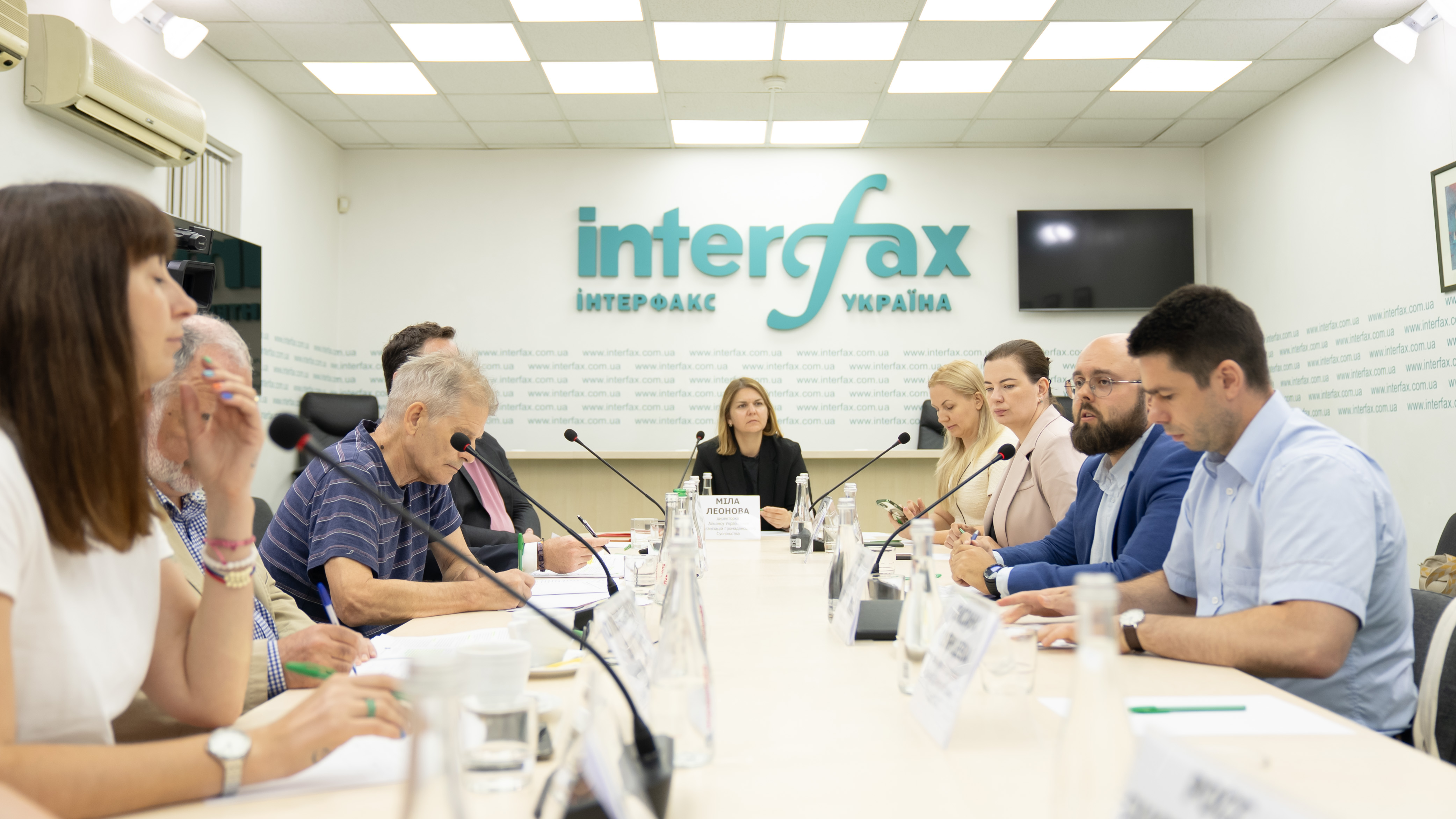
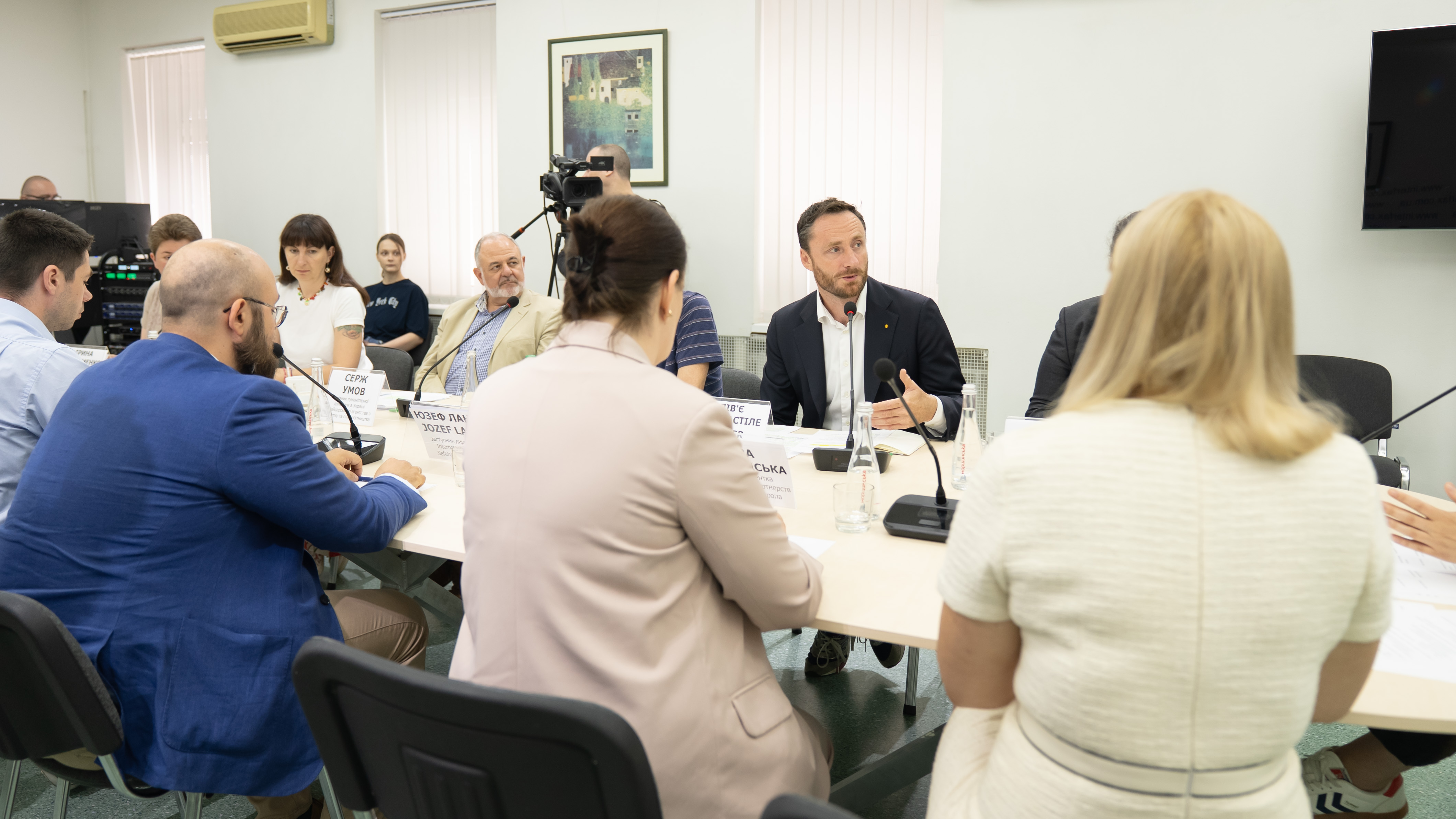
At the round table “Humanitarian Activities in War: Protection of Personnel, Innovations and Impact on World Politics” organized by Alliance UA SCO at the Interfax-Ukraine press center, representatives of leading humanitarian organizations gathered.
Key discussion topics:
- How to protect those working in constant danger,
- How to support those who support others,
- What systemic changes are needed today in Ukraine and globally.
Each year of the war sees an increase in cases where humanitarian workers are injured or killed due to shelling. This highlights the critical need for enhanced protection for personnel working on the frontlines of aid.
Jozef Lang, Deputy Director International NGO Safety Organization:
“The number of casualties among humanitarian workers is increasing. If last year we recorded 150 incidents affecting humanitarian workers or property of humanitarian organizations, resulting in the death of 11 workers or volunteers and 29 injured, then in just the first half of this year, 98 such incidents have already been recorded. As a result, six people were killed and another 29 were injured – that is, as many as in the entire previous year.”
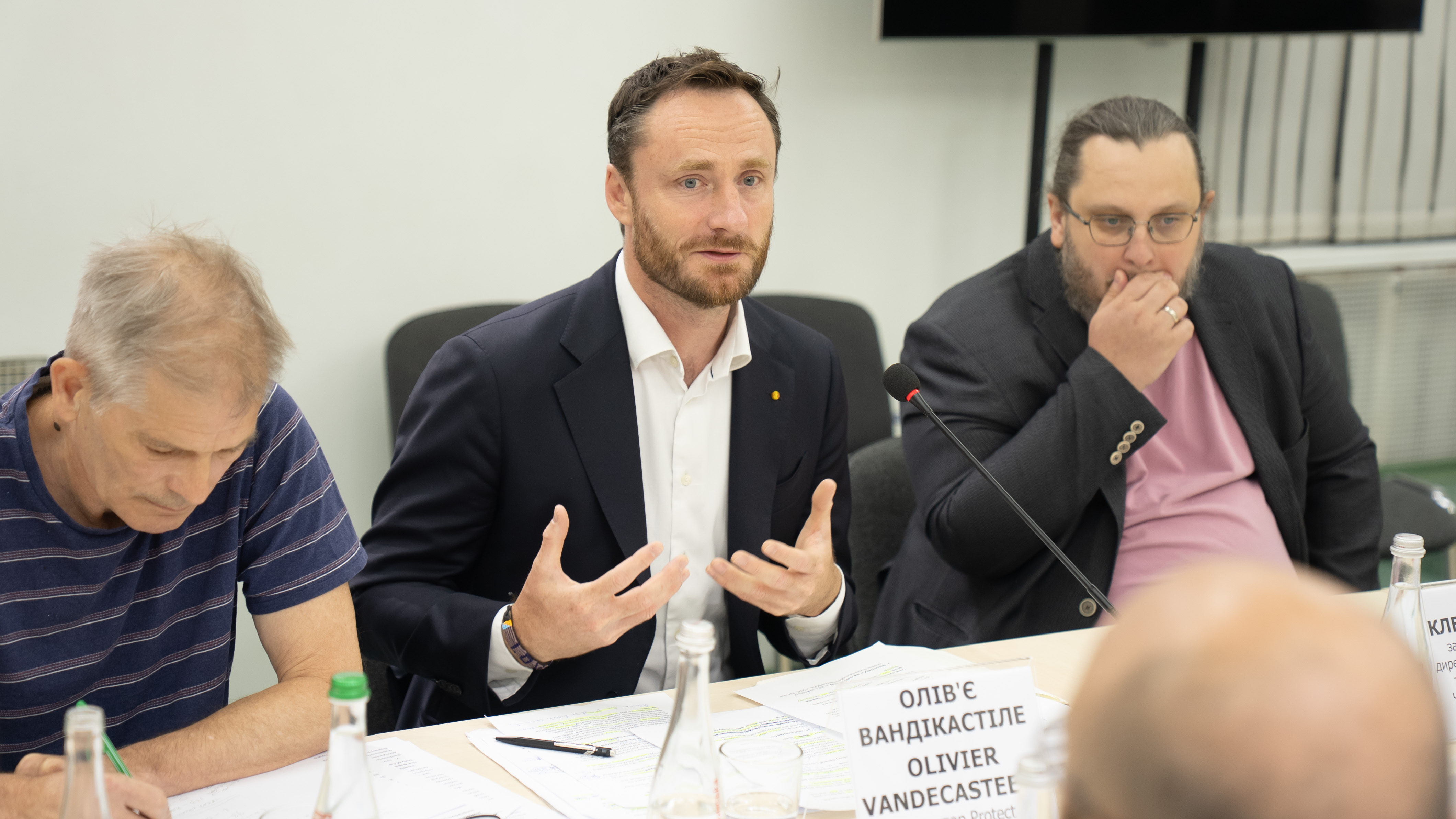
Olivier Vandecasteele, Director of Protect Humanitarians:
“Staff and volunteers are every organization’s greatest asset. When we protect and care for the people who serve, we strengthen support for affected communities. Duty of Care must be localized, resourced equally, and must start by recognizing and properly equipping local actors. This is where the humanitarian sector must improve its resilience, equality, and fairness.”
Despite the extremely difficult conditions, Ukrainian humanitarian workers continue to carry out their mission with incredible dedication.
Oleksandra Buglak, Deputy Director of the Humanitarian NGO Platform in Ukraine:
“The downside is that this strong nation has a tendency to neglect its own safety. Last summer, during prolonged power outages, it was very difficult to provide aid. We asked how many people didn’t receive aid due to lack of power or communication; the answer was zero. But this was achieved through the titanic efforts of workers and volunteers who often lacked sleep and rest.”
Illya Kletskovskyy, Deputy Director General for Programme Development and Innovation Ukrainian Red Cross Society:
“We have six volunteers killed, numerous injured, and over 30 offices and warehouses completely or partially destroyed. When humanitarian workers or premises of humanitarian significance suffer due to hostilities, it is a violation of international humanitarian law. We must create a system to document violations of this law, as well as a system of psychological support for people who work long-term in combat zones.”
Oksana Kuiantseva, Board Member Charity Fund “East SOS”:
“The biggest challenge facing all evacuation organizations today is the threat of shelling, particularly by FPV drones. This is a key problem requiring immediate response. The only effective way to counter such attacks is the use of armored vehicles and EW systems that allow for timely threat detection. However, it must be emphasized: humanitarian organizations, charities, and civil society associations cannot purchase such equipment within existing humanitarian programs because it is classified as dual-use goods. This is an issue that needs to be discussed openly and persistently. Without proper protection, the risks for humanitarian workers remain critically high.”
Psychological health is also crucial. Organizations working on the frontlines and in evacuation processes face thousands of human stories daily, leaving a deep emotional mark.
Iryna Maksymenko, Program Manager Mental Health and Psychosocial Support Caritas Ukraine:
“We calculated that since 2022, we have provided over 3 million services, and accordingly, over 3 million heavy stories have fallen on our staff. This includes witness trauma, burnout, cognitive exhaustion, post-traumatic conditions – especially among those working in frontline areas. We have come to the need to create a formula for psychological resilience that should be accessible not only to psychologists or social workers, but to everyone who interacts with beneficiaries or processes their stories. It’s important that every worker knows how not only to provide first psychological aid but also to receive it – and, if needed, provide it to themselves.”
Vira Nedzvedska, Vice President for Strategic Partnerships at the Eastern Europe Foundation:
“Today we are talking about the Duty of Care approach, which is extremely important. But practices differ across organizations, and we face not only a lack of financial resources but also legislative and other obstacles to its full implementation. As an Alliance of Ukrainian organizations, we must work collectively to change legislation, adapt business practices, and make Duty of Care an integral part not only of the civil sector but of the whole society.”
In partnership with Alliance UA SCO and the Humanitarian NGO Platform in Ukraine, the Swiss Agency for Development and Cooperation initiated a study that kick-started the formation of a DoC Minimum Package – a protection standard for humanitarian workers, which includes:
- Accident and life insurance for NGO/CSO employees and volunteers;
- Measures for providing psychosocial support (PSS);
- Individual first aid kits;
- Personal Protective Equipment (PPE);
- Training on the use and application of the Minimum DoC Package elements combined with a basic course on safety and security management.
Oleg Masyk, Humanitarian Programme Officer, Embassy of Switzerland in Ukraine:
“We proposed at least a minimum package of what we believe is most essential for protecting people. It includes five elements, including life and accident insurance. Thanks to the support of the Swiss Embassy, we have already provided such insurance for over 4,000 volunteers working on the frontlines. Evaluations showed that volunteers are satisfied with this approach. We believe this practice should be scaled up and supported at the state level.”
In May 2024, Switzerland spearheaded the adoption of UN Security Council Resolution 2730, which for the first time in history focuses exclusively on the protection of humanitarian personnel, noted Serge Oumow, Head of humanitarian aid in Ukraine Swiss Agency for Development and Cooperation:
“The document pays special attention to national and local workers, who constitute the vast majority of victims. This issue is becoming increasingly important, as last year saw the highest number of casualties among humanitarian workers, and the vast majority of them were national staff. It is very important to remember this and strive for real change.”
The Duty of Care approach must become not just a temporary solution, but the foundation for forming a sustainable social package for humanitarian workers.
Ross Skowronski, Founder & Director Mission Kharkiv:
“Duty of Care is just the start. Many services included in this package are temporary. I believe that over time it must evolve into a full-fledged social package for humanitarian workers. This is not just about personal safety or comfort in difficult conditions, but also about contributing to the development of civil society. Today, international organizations offer packages that national ones cannot compete with. Because of this, many staff move to international structures. To strengthen Ukrainian organizations, we must see this package as a long-term investment in people.”
Work to promote and advocate for the Duty of Care approach in Ukraine is being carried out systematically, including by Alliance UA SCO. Within the Alliance, there is a specialized working group focused on issues of safety and well-being of humanitarian personnel. These are not just lawyers or theorists – they are specialists working “in the field,” so their proposals are based on real needs and challenges.
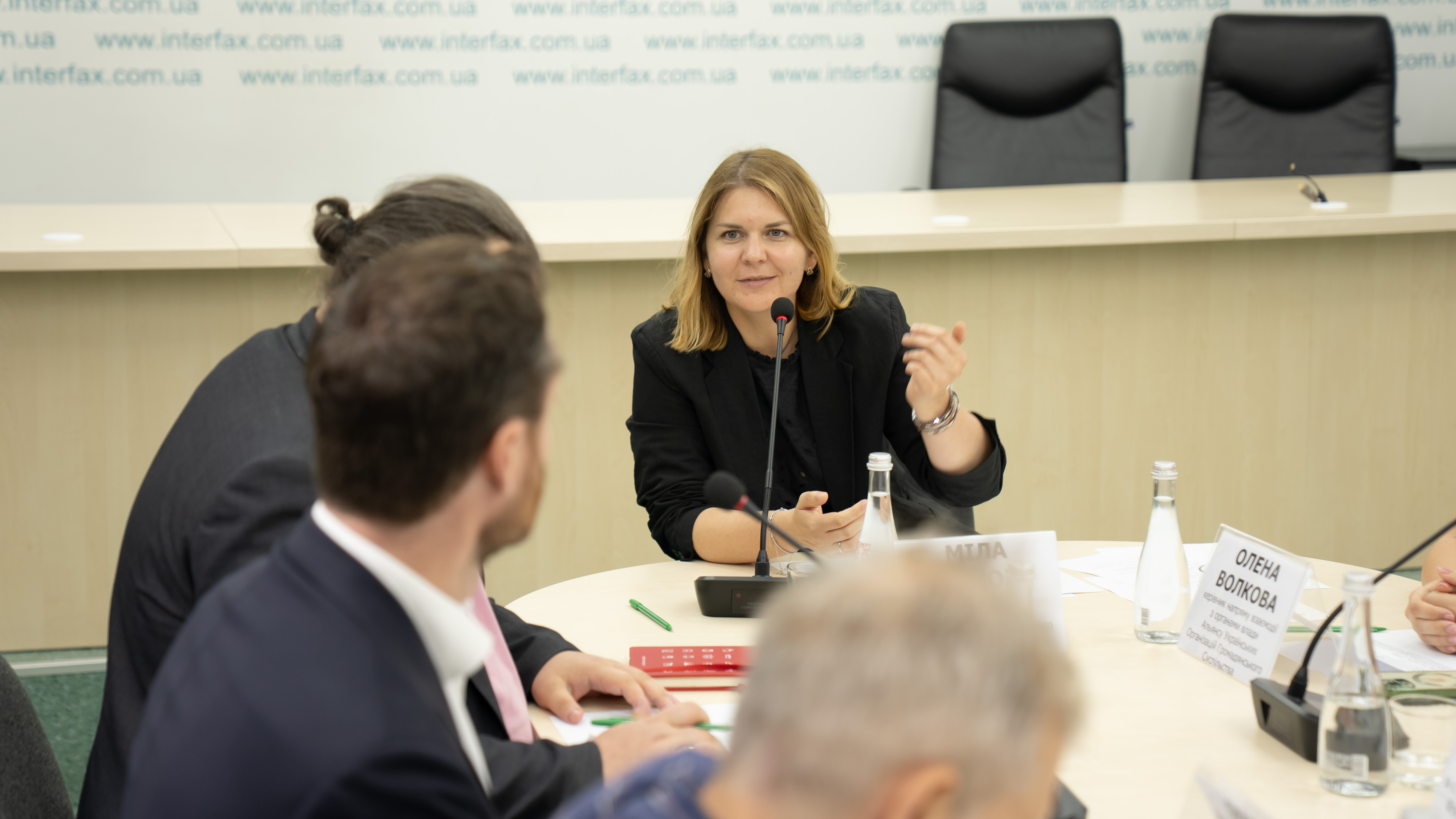
Olena Volkova, Head of Government Relations at Alliance UA SCO:
“Alliance UA SCO is already promoting the Duty of Care issue at the state level. Specifically, we have approached the Office of the President and the Ministry of Social Policy and received support and approval regarding the need for joint work in this direction. Together with academics and practitioners, we have developed specific recommendations, including regarding the legislative recognition of the status of humanitarian personnel. Current legislation does not account for the realities of wartime – because of this, international partners cannot legally help affected Ukrainian workers. Our task is to remove bureaucratic barriers and create clear legal mechanisms that will guarantee protection and support for those who save lives every day.”
Such discussion is an important tool for forming a systemic approach to protecting humanitarian personnel.
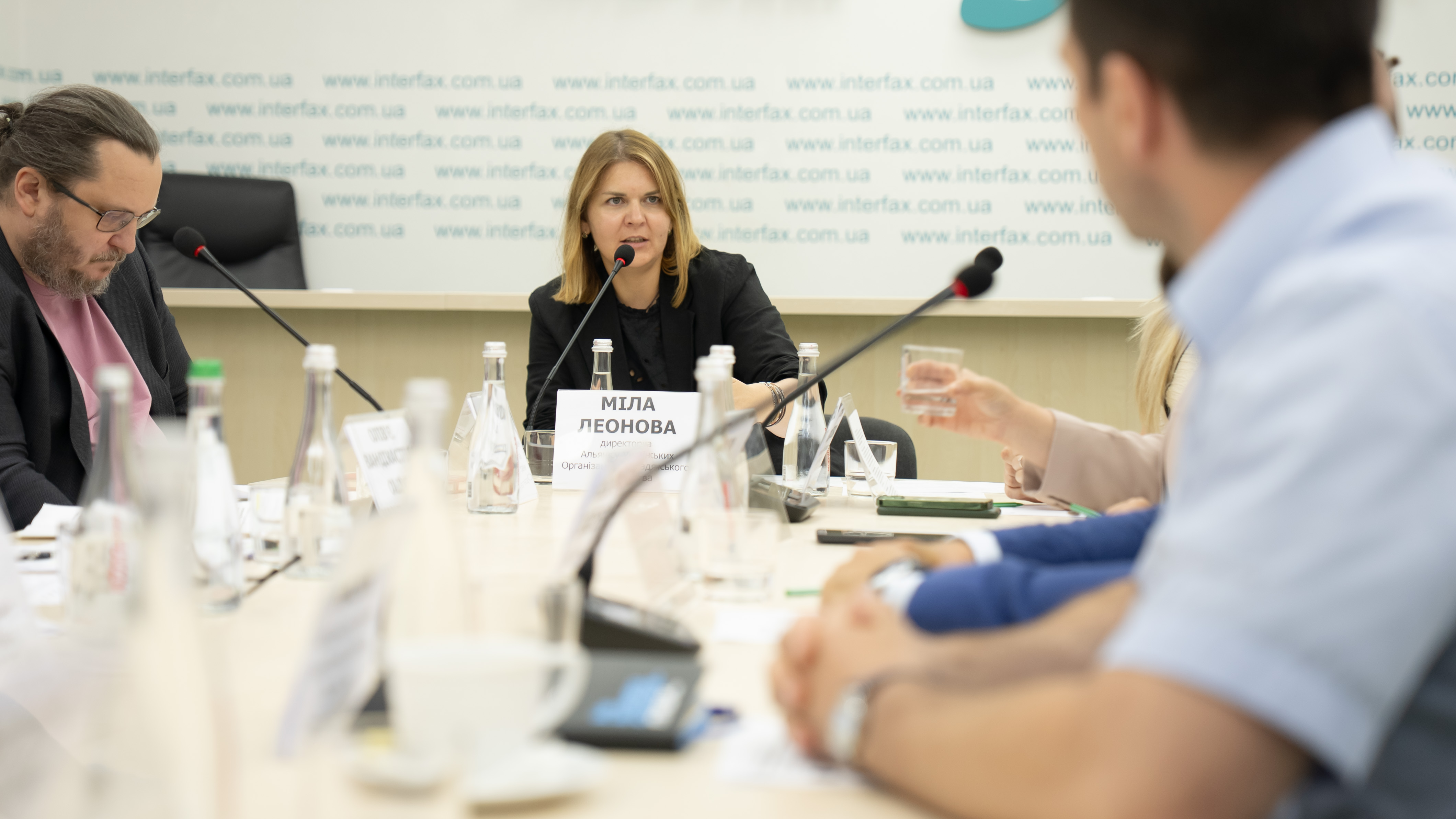
Mila Leonova, Director of Alliance UA SCO:
“We never aspired to become humanitarian workers – the war forced us to take on this role. This reality creates a deep duality for local rescuers. We carry the crisis within us: colleagues have become displaced persons, losing everything; others are experiencing trauma from bombings or mourning deceased family members. We exist simultaneously on both sides – as those who provide aid and as those who endure the same suffering we seek to alleviate. In conditions of high risks and a complex security situation, multi-sectoral cooperation is extremely necessary for developing solutions. Combining Ukrainian experience and real-life examples from practitioners, global advocacy will allow for the creation of effective mechanisms for support and response.”
#DutyOfCare #АльянсУКРОГС #AllianceUASCO