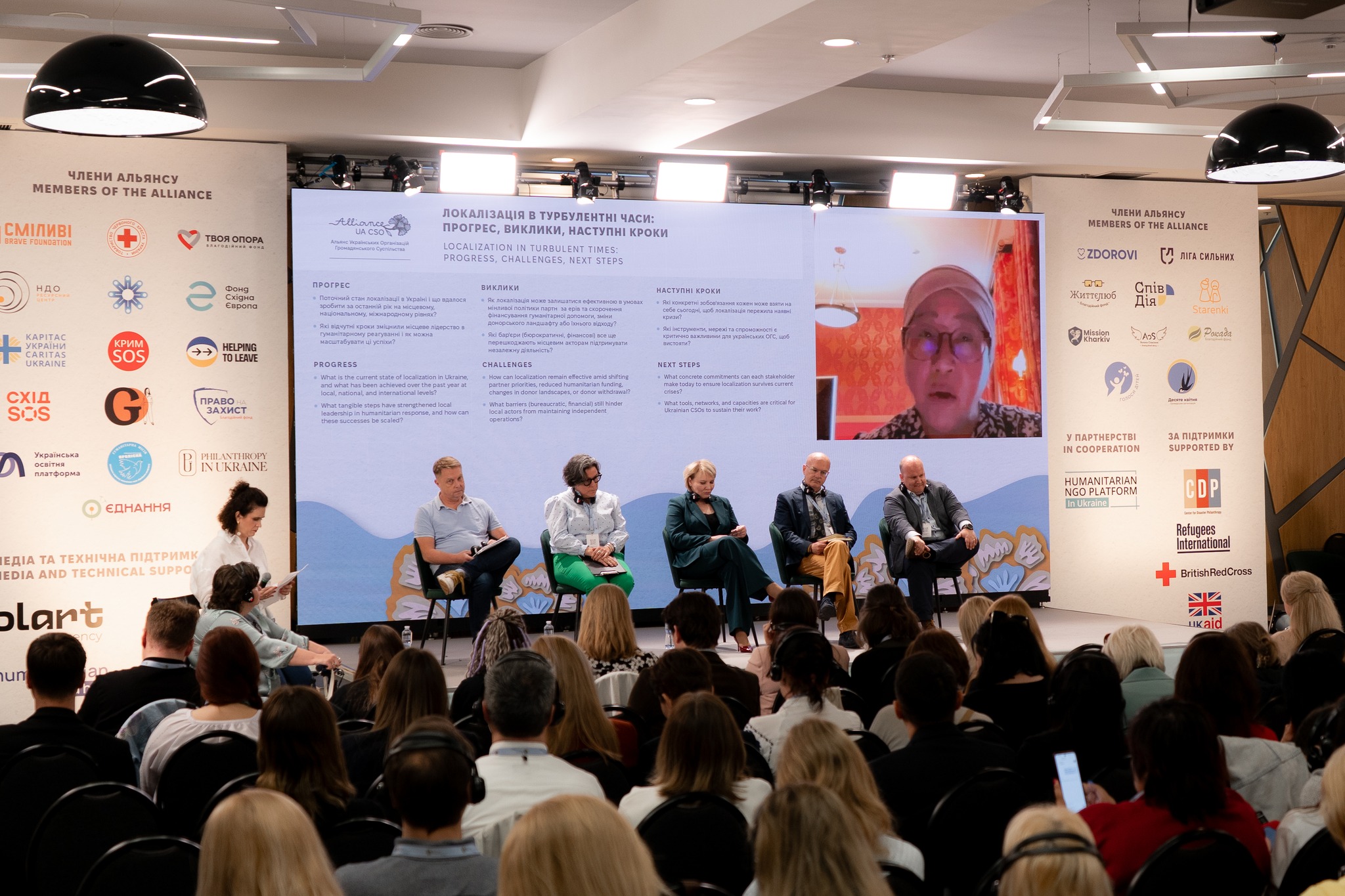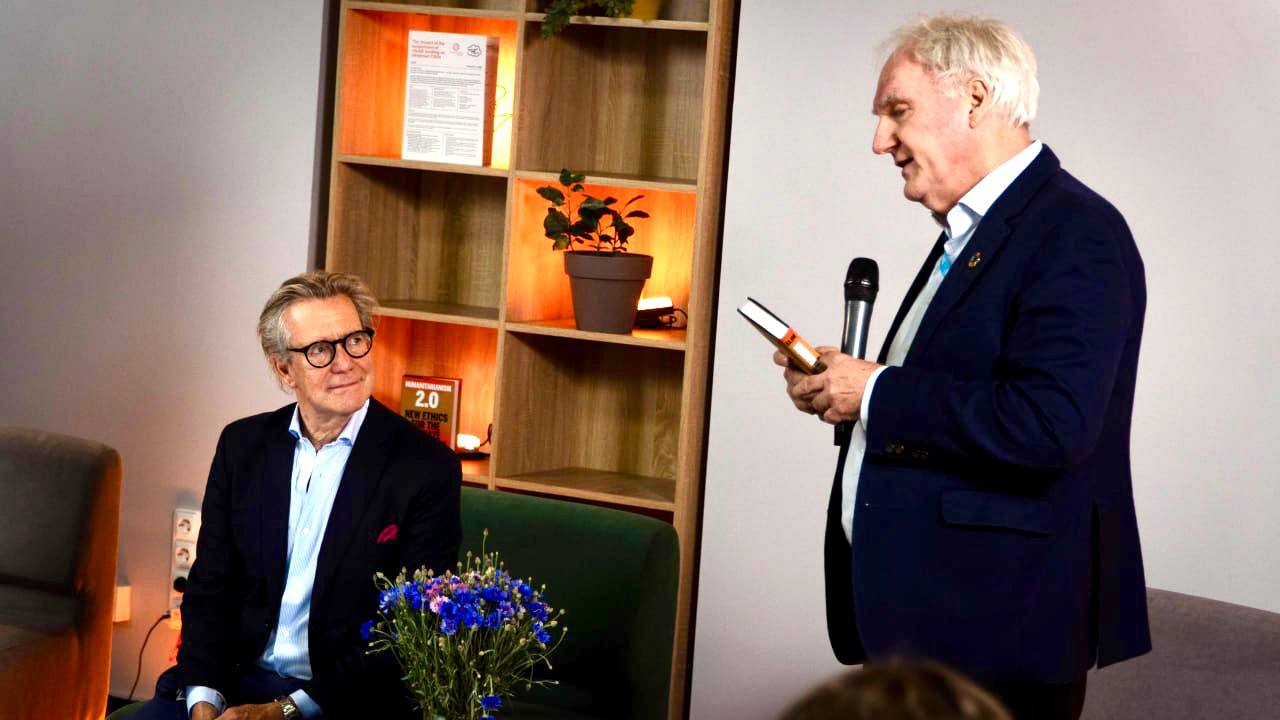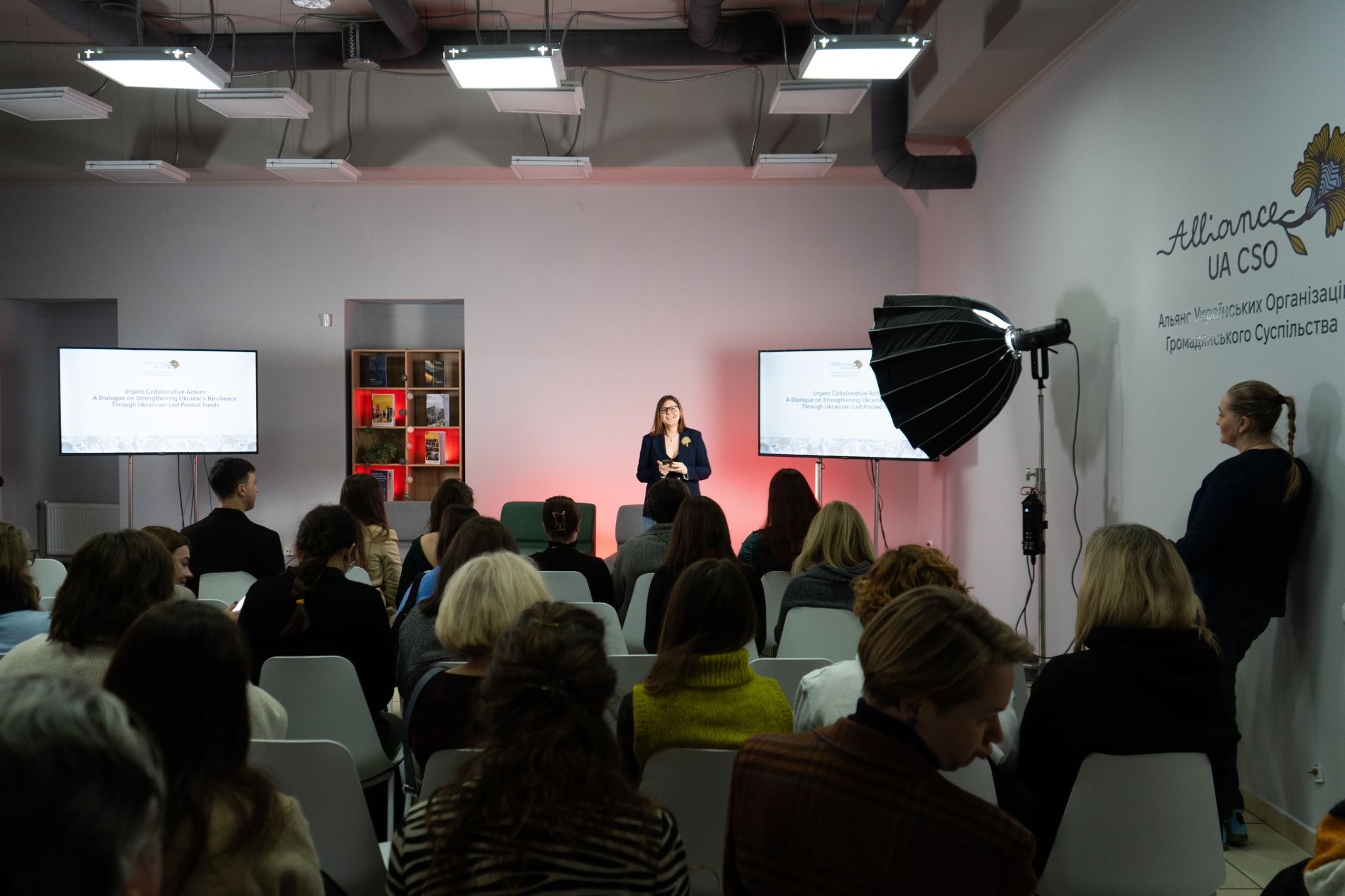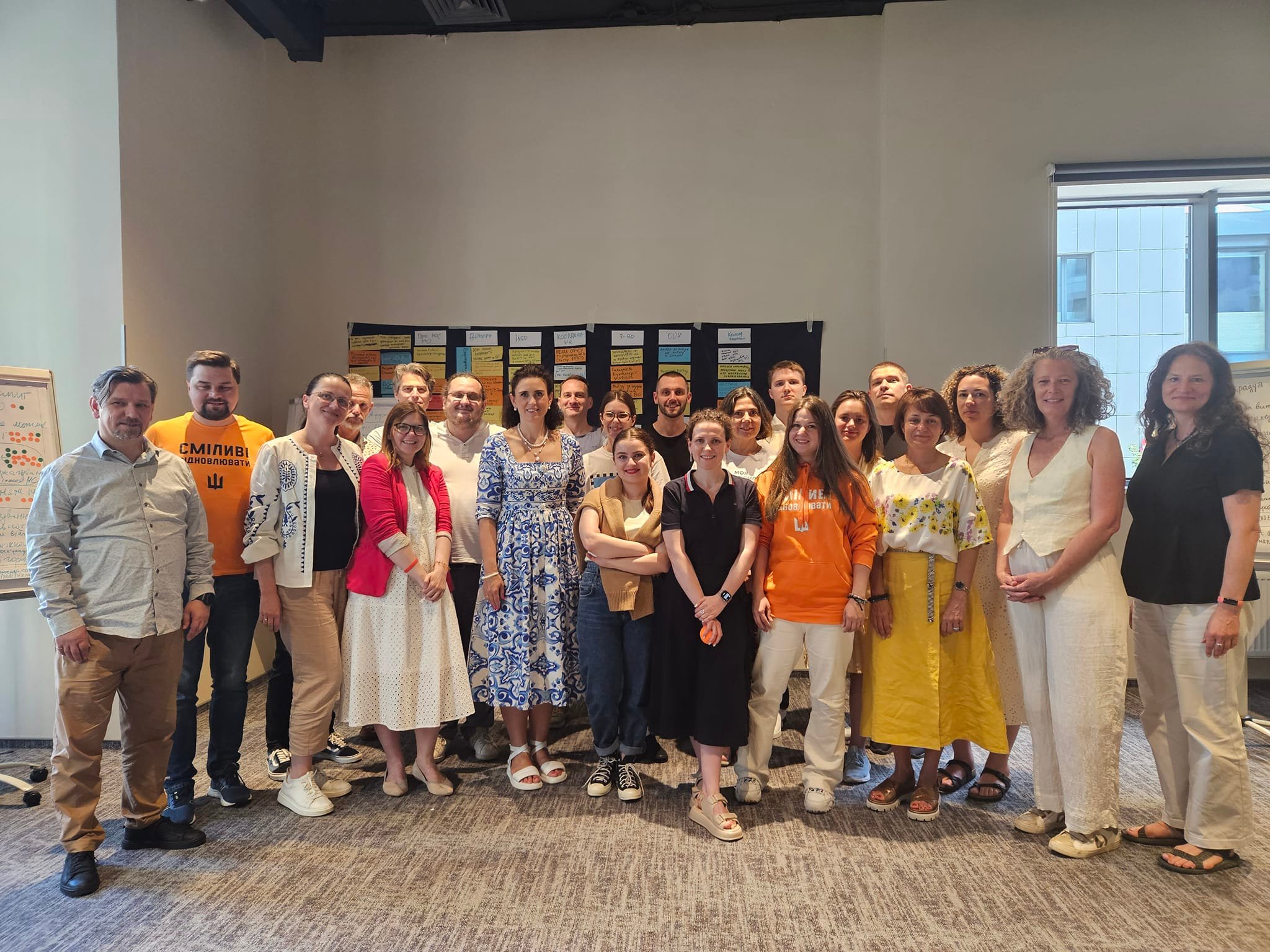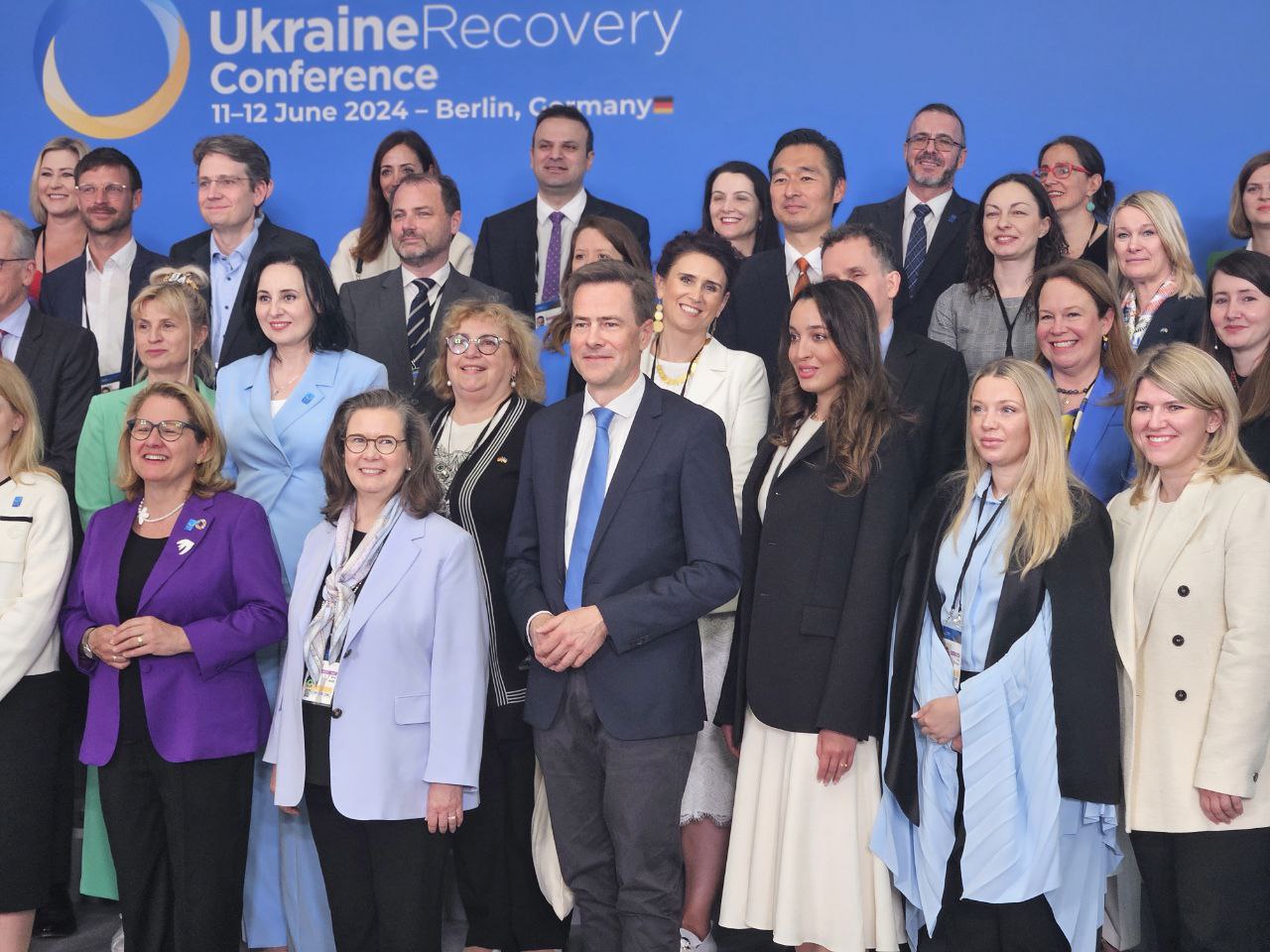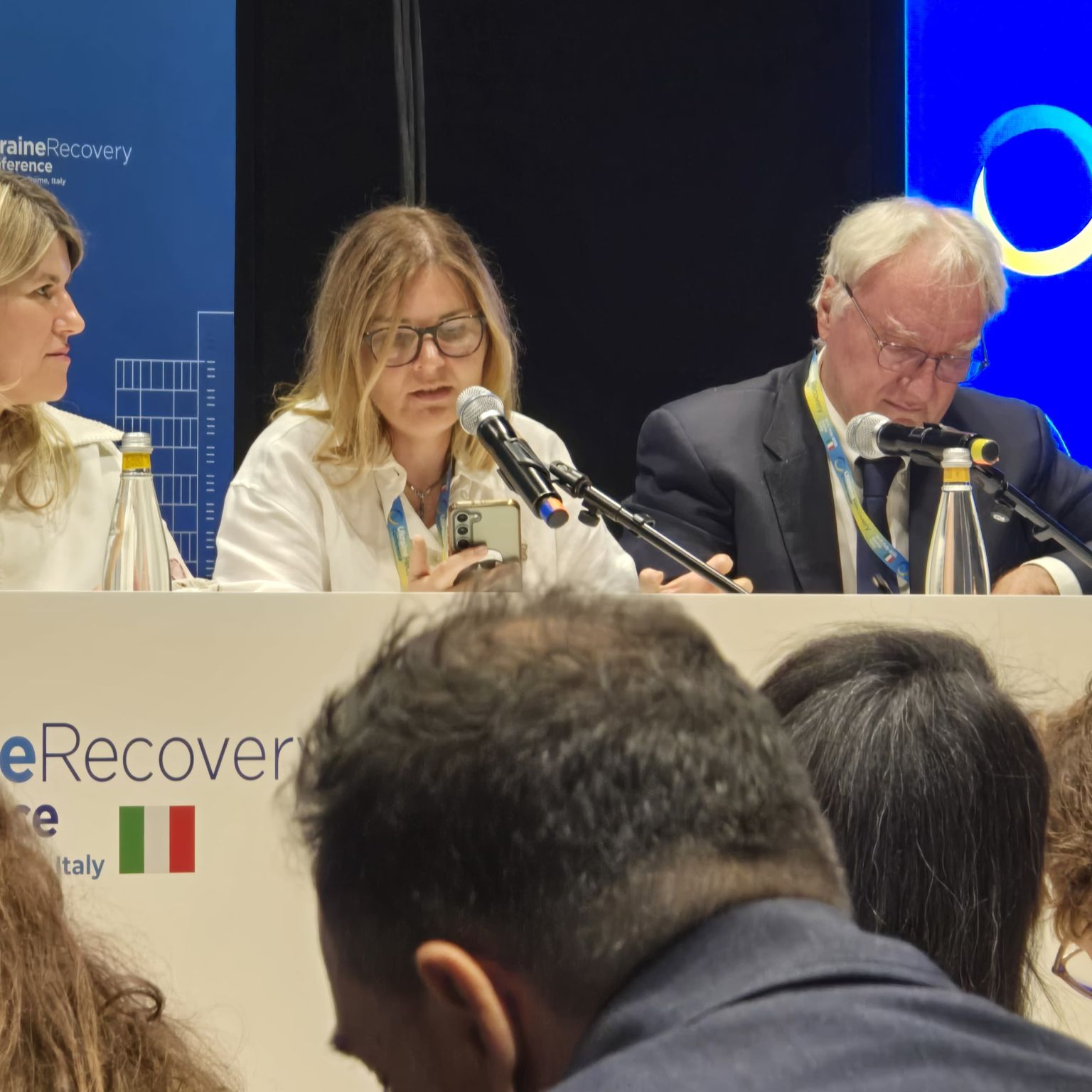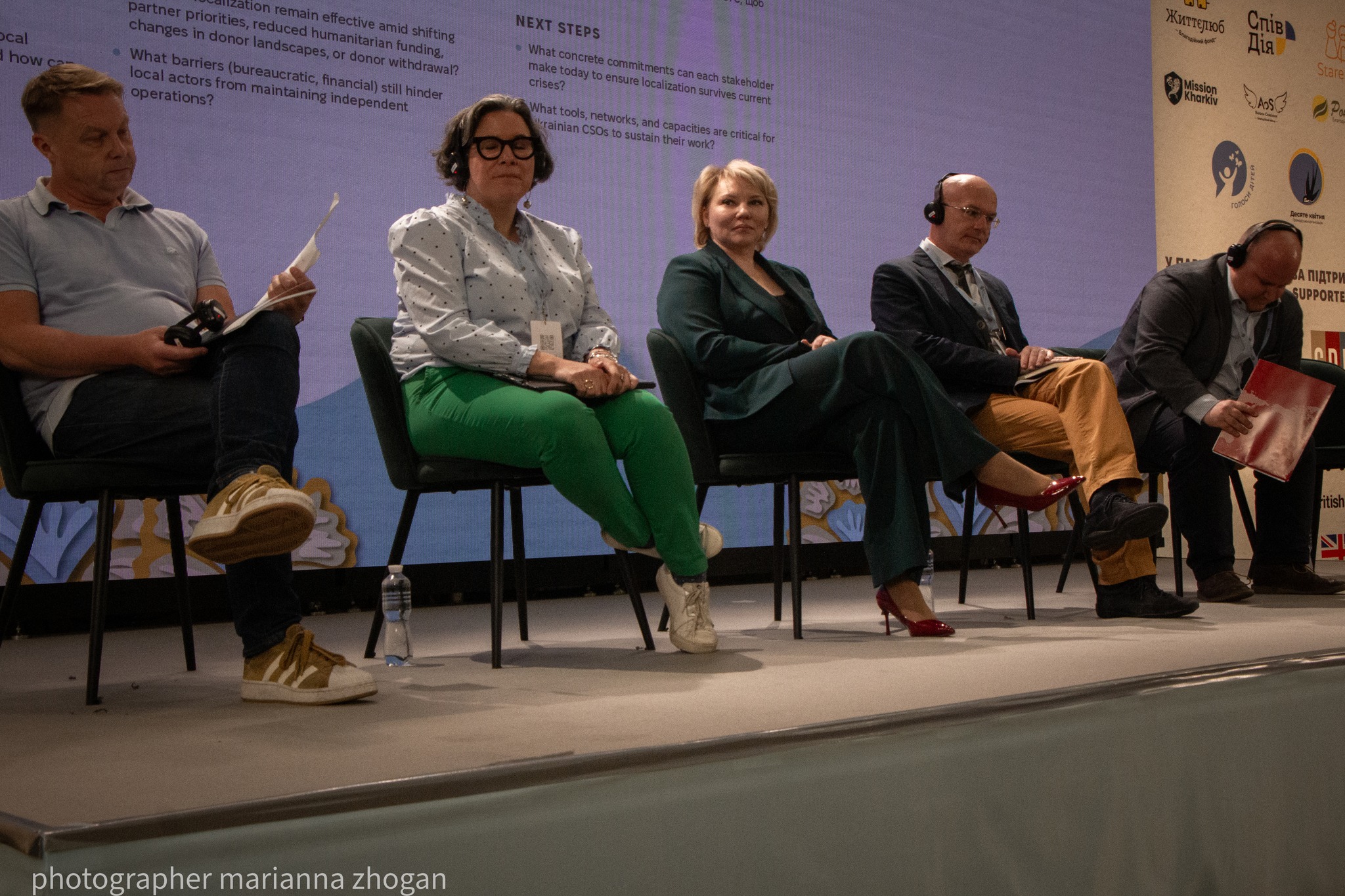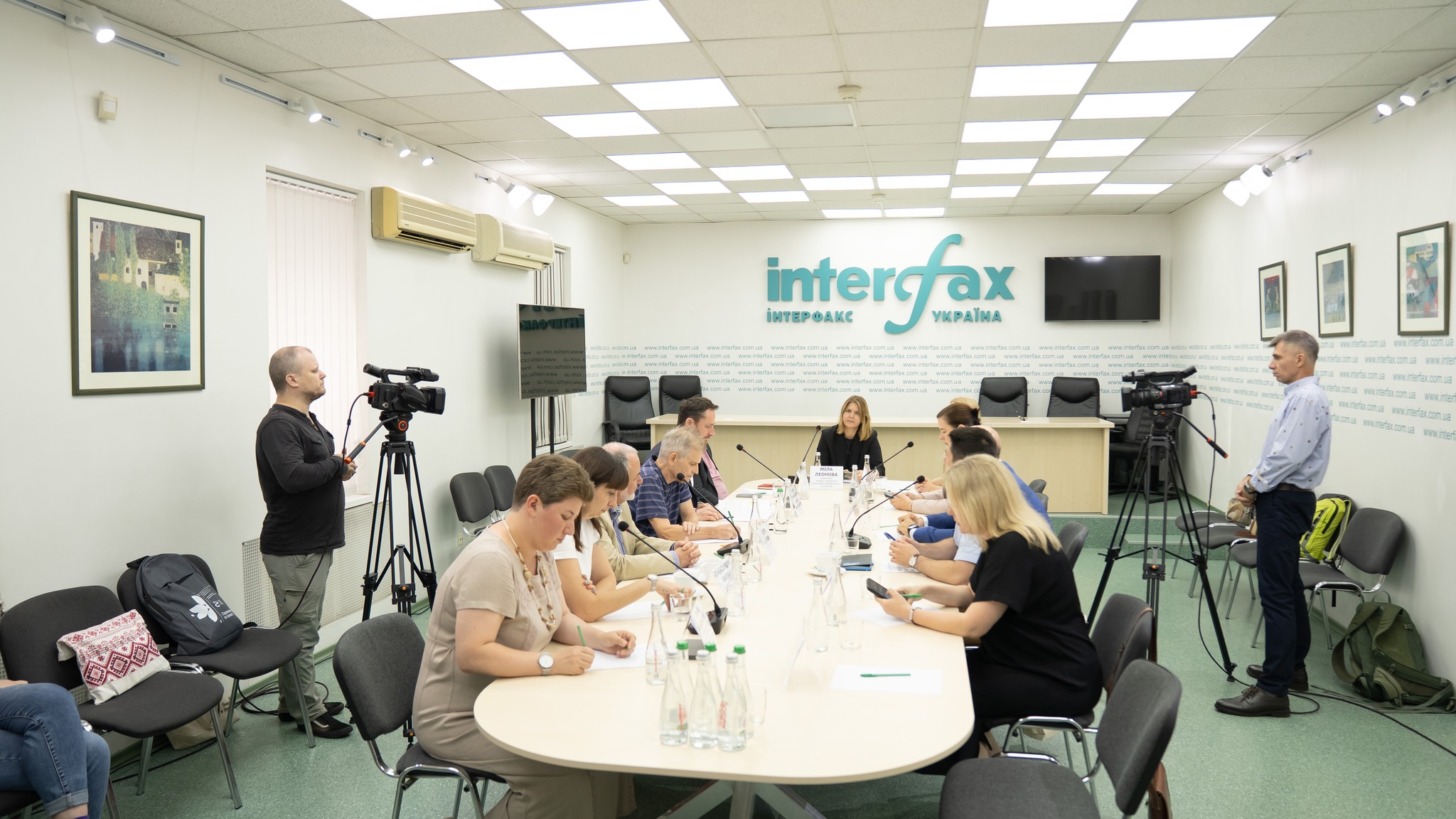
Abroad, we are called a phenomenon—and rightly so. Bringing together, in a short time, the efforts of civil society, donors, the UN, international NGOs, the state, and the academic community around localization and local leadership—choosing cohesion and joint solutions over competition—is truly unique.
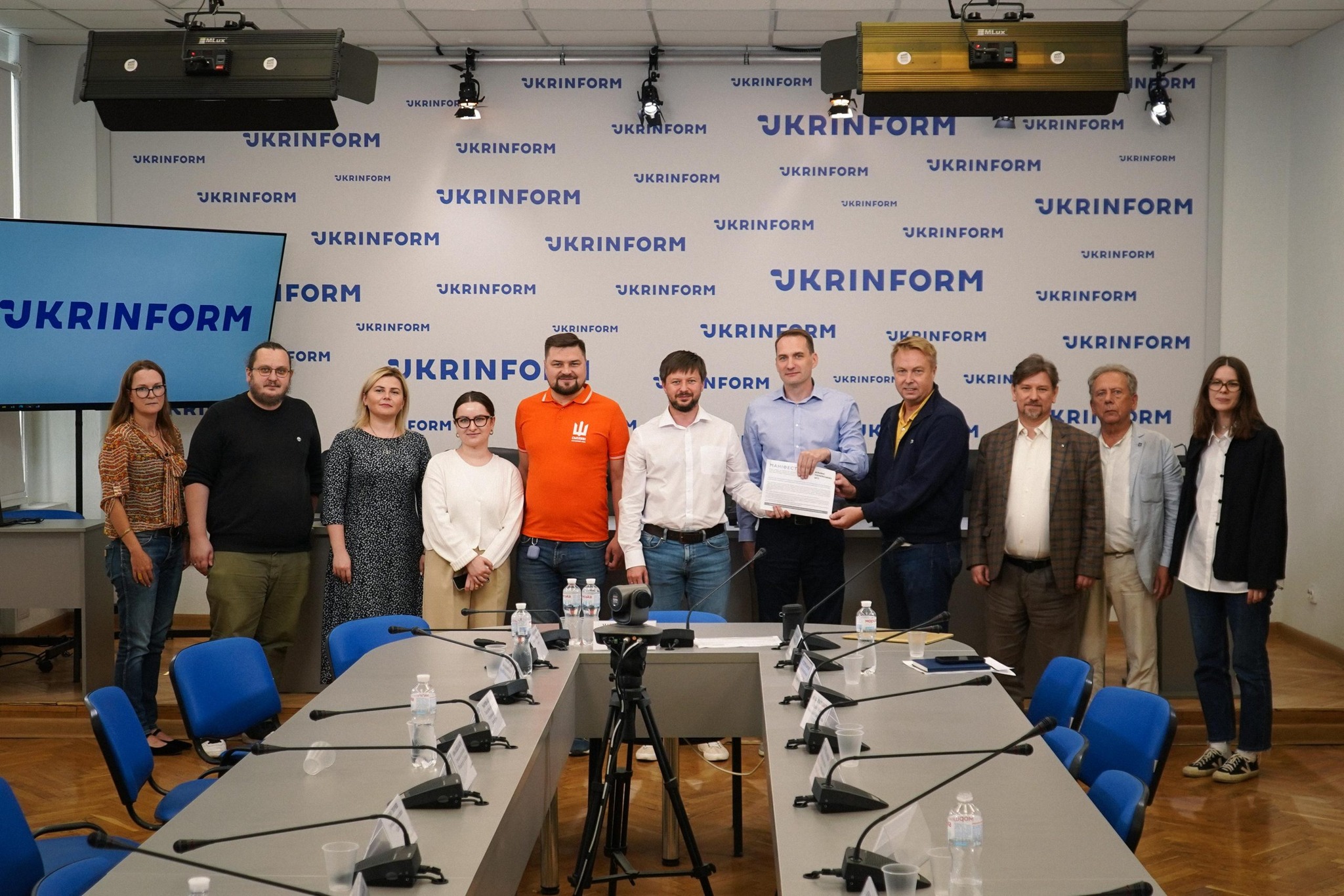
Today the Alliance turns two. Think about it: only two years have passed since we signed our first founding document—the Manifesto—and already people say, “you change the power dynamic.” We proudly accept this description and continue to make it real.
Because our power dynamic is not about force—it is about joint action, mutual support, and equal partnership. This is a story about how Ukrainian CSOs are changing the rules of the game. What this dynamic looks like in practice—see below.
Our Two-Year Path
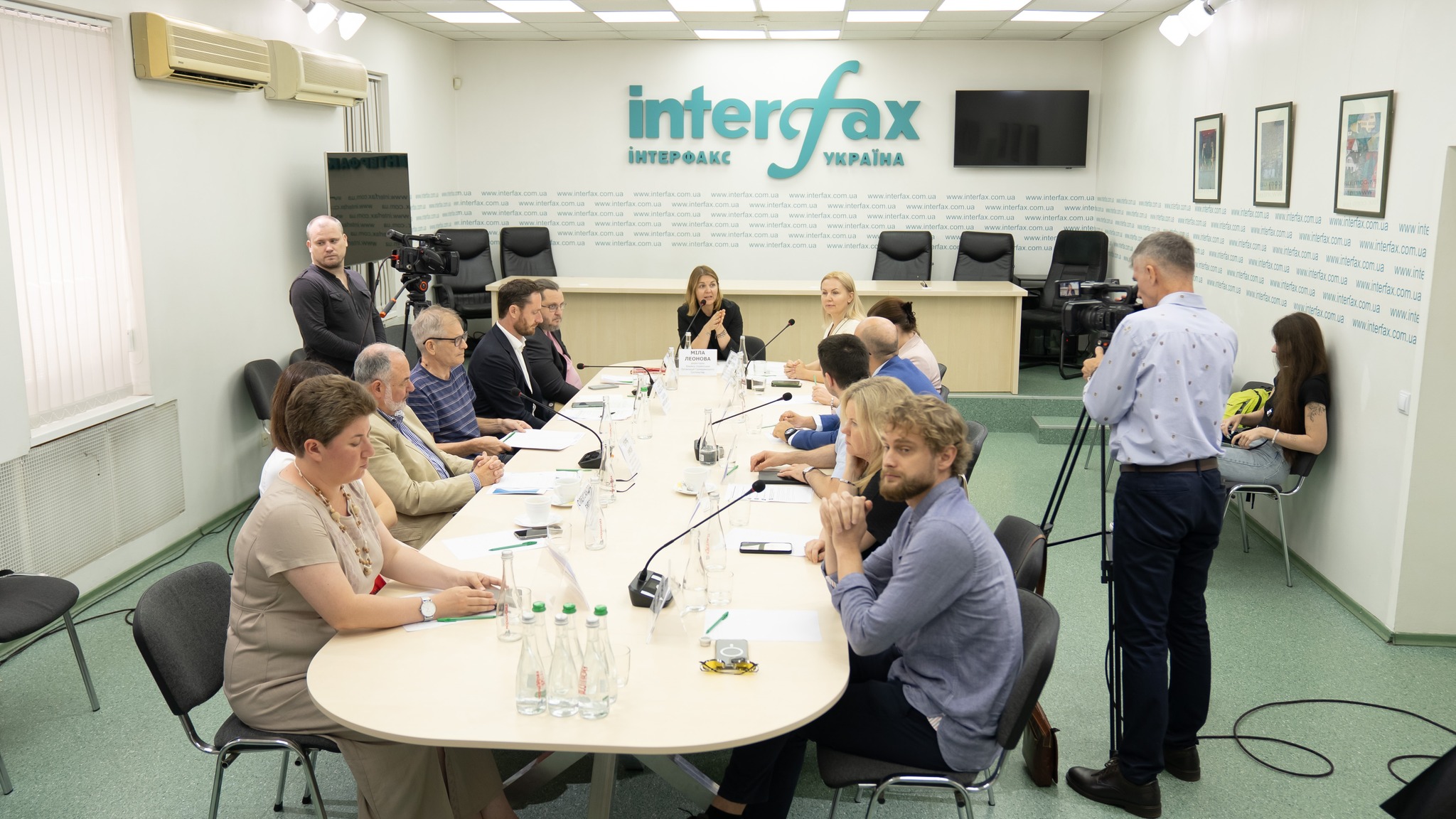
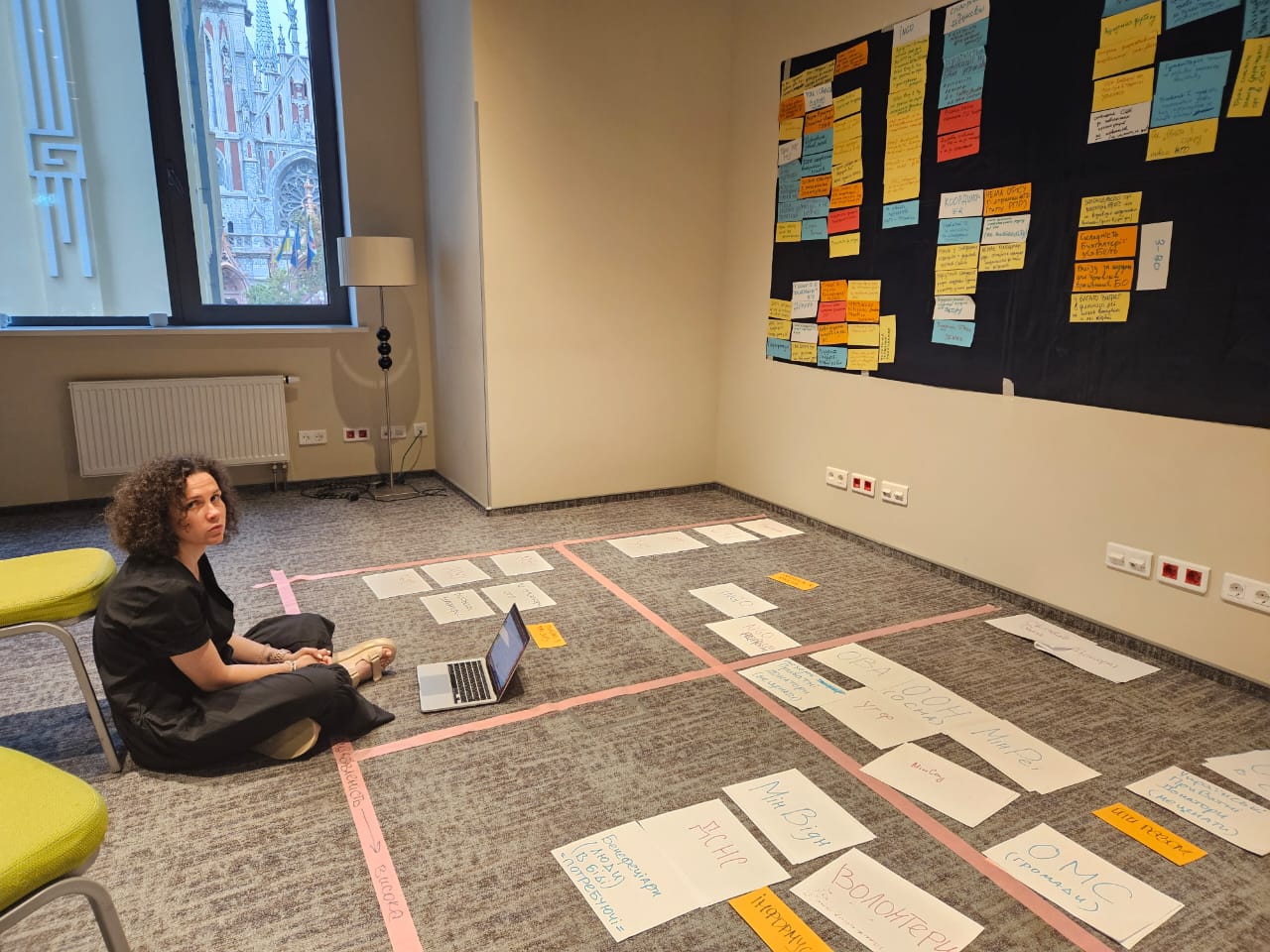
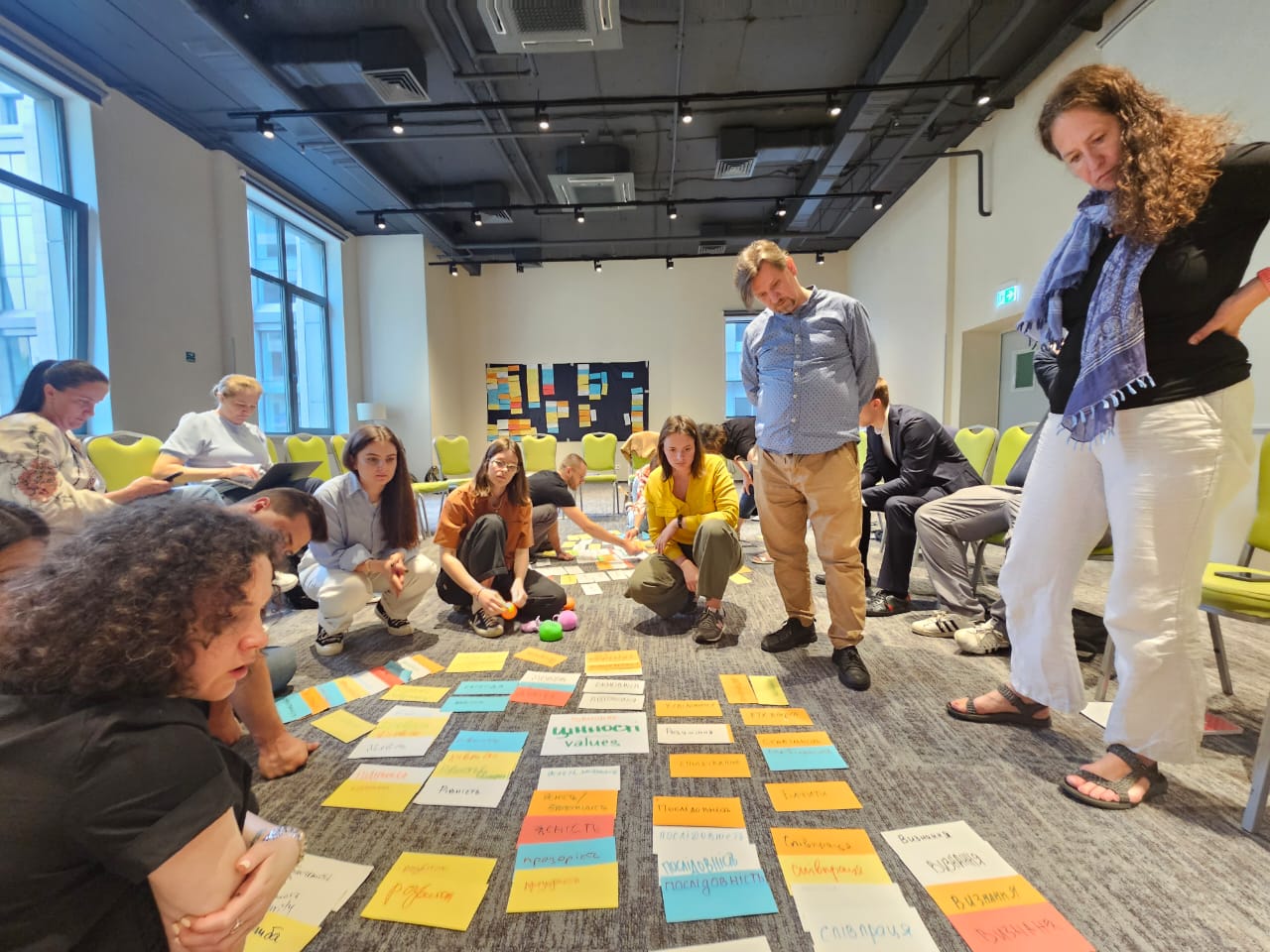
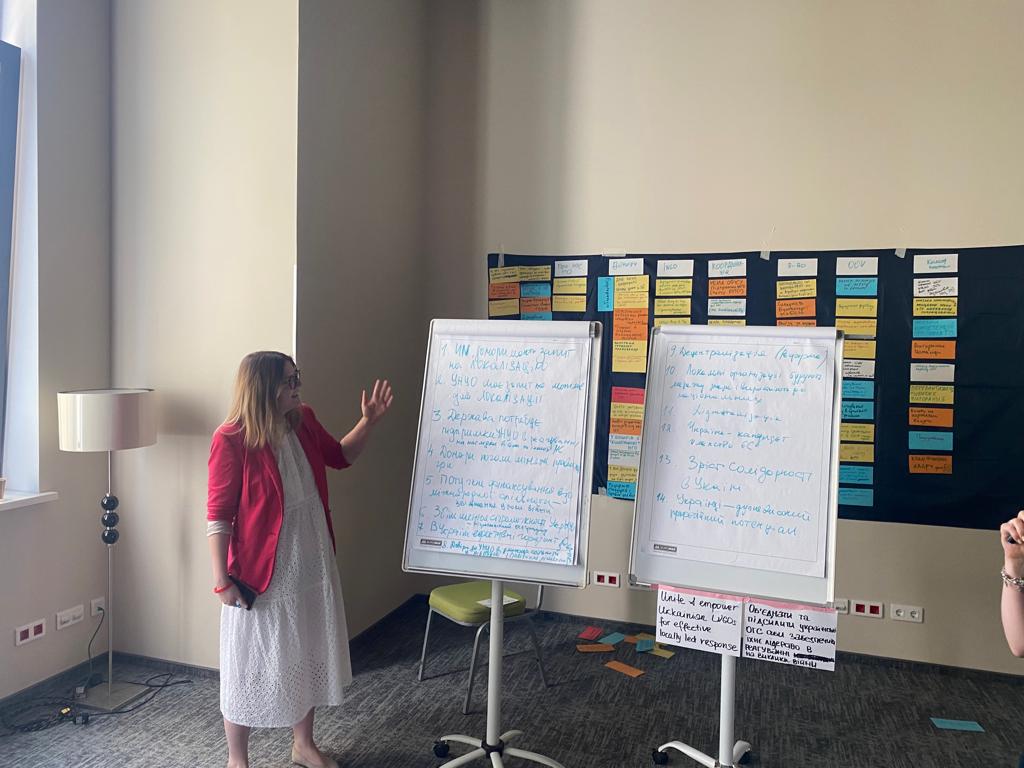
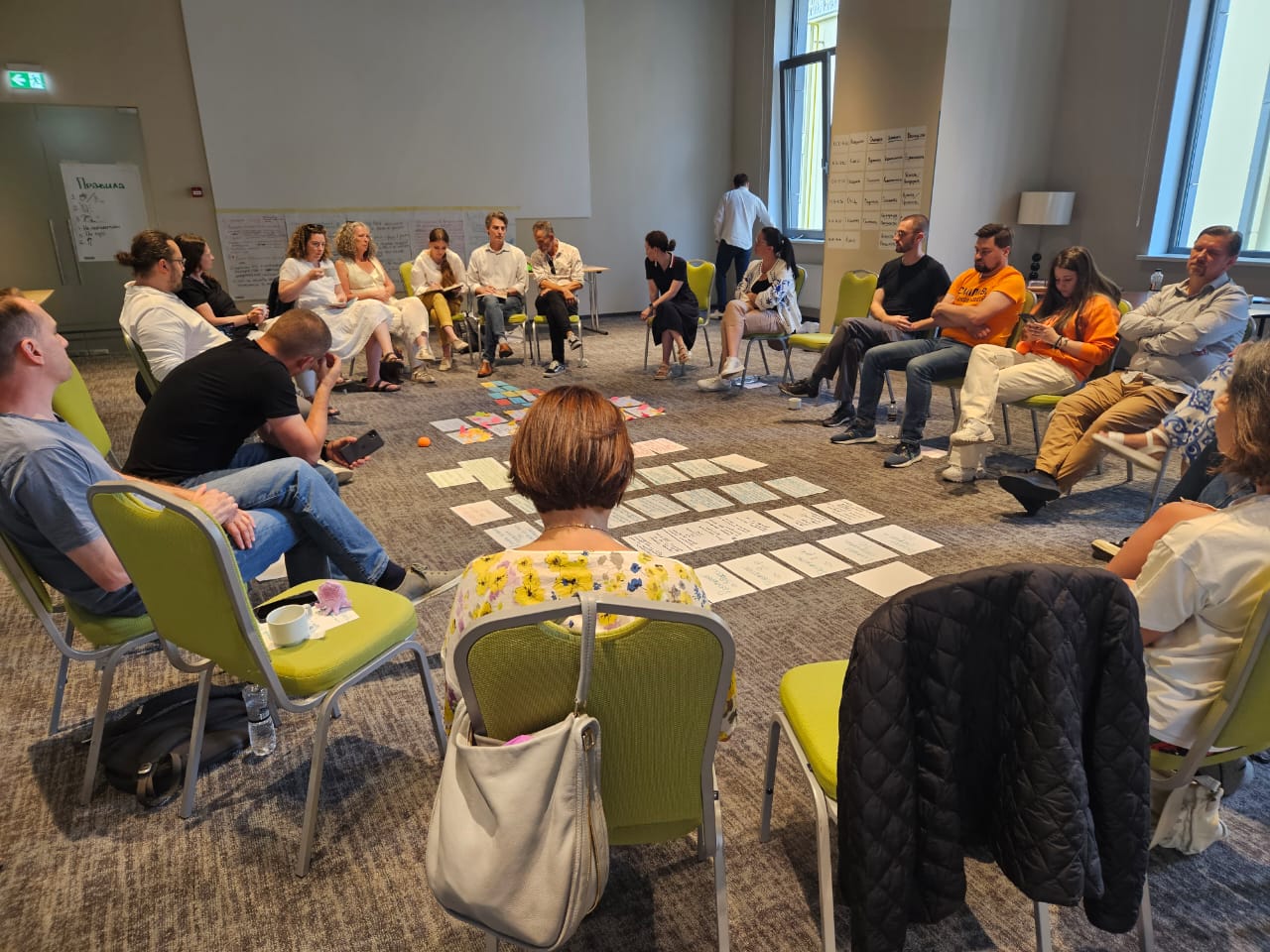
In two years, the Alliance UA CSO has covered an impressive distance. From an initiative group of “localization enthusiasts” who brainstormed literally sitting on the floor—to a strong community of 26 organizations that represents the sector’s interests domestically and globally. Through “soft power,” we are changing the rules. We have become the voice of civil society in the humanitarian sector—a voice that is loud and heard.
The Alliance as Infrastructure for Collaboration—Building Bridges
- between the international humanitarian system and local organizations engaged in crisis response and recovery;
- between the state and civil society;
- between vision and concrete action.
We work where coordination, innovation, new policies, and courage are needed.
Alliance UA CSO on the Global Stage
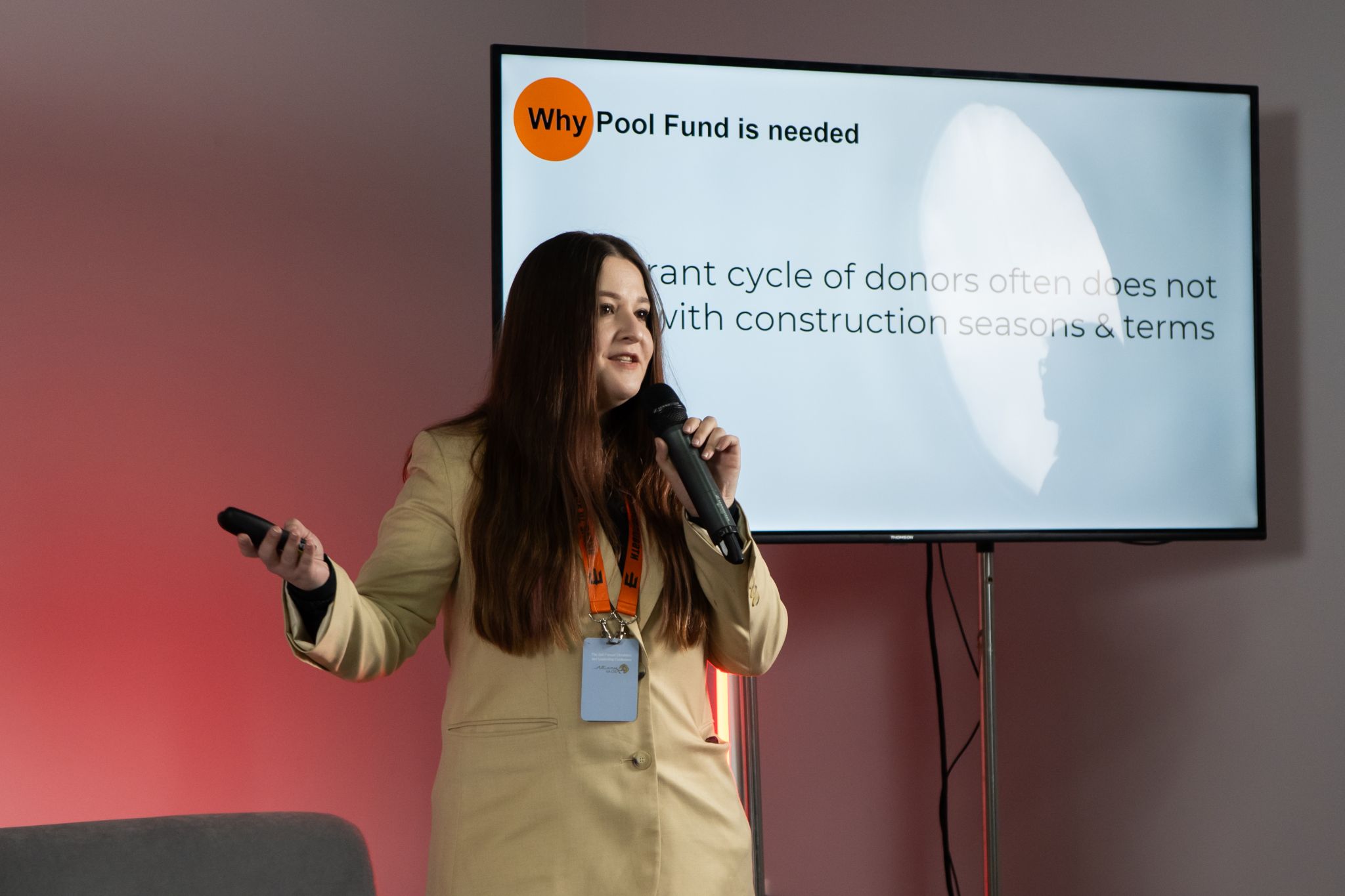
Over two years, we have become a key representative of Ukrainian civil society worldwide.
- Our voice is heard in Brussels at high-level meetings on humanitarian issues concerning Ukraine.
- We represent Ukraine at conferences and major humanitarian events in the United Kingdom, Switzerland, Germany, Belgium, the United States, and the Netherlands.
- We have been recognized as the National Reference Group for the Grand Bargain—the international community’s most important agreement on advancing localization.
Yuliia Sporysh, Founder and Director of the NGO “Girls”:
For the NGO “Girls,” participation in the Alliance UA CSO has been a crucial step toward amplifying our voice in the humanitarian sector. Thanks to the Alliance, we gained regular access to decision-makers at the state level, donor structures, and international partners. This lets us not only stay informed about key processes but also influence them.
Nadiia Savynska, Executive Director of the SpivDiia Charitable Foundation:
Thank you for the opportunity to join a powerful community! Here, together with other organizations, we can shape policies that reflect people’s real needs. This is a space for sharing experience, innovations, and practices that already work. It is solidarity and even more opportunities for rapid, transparent, and effective assistance.
The Alliance and the United Nations
We actively cooperate with all branches of the UN system in Ukraine. Support from the UN Humanitarian Coordinator and international partners has been key to our success.
One of the main achievements: the approval of the Locally Led Response Strategy in Ukraine (2024–2029) (strategy here), developed under the Alliance’s leadership with partners—the UN Humanitarian Country Team (HCT)—and its inclusion in the National Humanitarian Needs and Response Plan for 2025. Work is also underway on the HCT operational localization plan for 2026 based on the strategy. This is a result we can be proud of.
Zoia Zherelnikova, Head of Communications, Philanthropy in Ukraine:
Advocating for localization is one of our key priorities now. We seek greater visibility and transparency for Ukrainian NGOs and are actively working on this within both our organization’s mission and that of the Alliance UA CSO. In addition, we are preparing research on the effectiveness of NGO training programs, which will be genuinely useful for the sector.
Olena Barchuk, Deputy Chair of the Board, Rokada Charitable Foundation:
For Rokada, the Alliance has become an environment where organizations support one another and build stronger positions together in dialogue with the state and donors. It is an opportunity to find answers to challenges faster and to shape quality sector-wide changes jointly. We aim to share our experience in social adaptation and community support and to engage in advocating systemic solutions. We pay special attention to strengthening local organizations’ capacity—this is what makes the Alliance UA CSO strong and capable of changing the rules of the game.
Nataliia Tulinova, Founder and CRO, ZDOROVI:
For ZDOROVI, participation in the Alliance UA CSO made it possible to be part of a powerful community of like-minded actors working on changes in the humanitarian and health spheres. Through joint efforts, we have a stronger voice in dialogue with donors and state institutions, as well as access to experience-sharing that helps us develop systematically. The Alliance platform has also amplified our voice on localization and advocacy with donors and government—vital for the sustainability of community-based health services.
The Alliance and the State
Our voice is heard in the government and parliament. We:
- developed recommendations for state bodies on the need to define “humanitarian response” and “humanitarian organizations,” which have recently been reflected in legislation;
- operate internal Alliance working groups that draft proposals for corresponding changes to regulations;
- participate in working groups of relevant state bodies; our proposals and amendments are taken into account and inform state policies and documents;
- prepared, together with sector colleagues, an advocacy paper on evacuation challenges, which the state used as a basis for developing the relevant regulatory act;
- are developing, with partners, a Duty of Care concept for humanitarian personnel in Ukraine (including a guaranteed minimum), which has recently been recognized by the state; in particular, the Ministry of Foreign Affairs of Ukraine signed a UN-level Declaration on the Protection of Humanitarian Personnel;
- contributed to developing criteria for organizations working with international donor funds, which helped enable the partial exemption of humanitarian workers from mobilization.
Olena Hubanova, Co-CEO, Helping to Leave:
Thanks to the Alliance, as a young organization we gained a louder voice and the ability to influence the humanitarian agenda together with partners. Joint initiatives—especially the Advocacy Paper on evacuation—helped create effective mechanisms for coordination and advocacy. We also got to know incredible organizations more closely, which brought support and the feeling that even in the darkest times, together we will cope.
Dariia Kukurika, Executive Director, League of the Strong:
For the League of the Strong, the Alliance is a way to mainstream the rights of people with disabilities across the themes our colleagues work on. It is a platform for dialogue, experience-sharing, and support that helps make the humanitarian response more comprehensive and genuinely barrier-free. Participation in the Alliance UA CSO gave us a sense of collective strength—when the voices of people with disabilities are louder and change becomes more tangible.
The Alliance and Knowledge: Investing in Capacity, Building the Future
- We developed a learning ecosystem for humanitarian workers, presented in spring 2025. It has become a tool for upskilling, experience exchange, and building a shared vision of effective crisis response.
- We coordinate research that informs strategic decisions in humanitarian aid and recovery.
- We conduct workshops, seminars, and strategic sessions aimed at:
- strengthening partnerships;
- developing local leadership;
- building CSO organizational capacity.
Maryna Kurochkina, President, NGO “The 10th of April”:
Participation of “The 10th of April” in the Alliance UA CSO opened new opportunities for professional growth and joint human-rights initiatives. The organization joined experience-sharing, strengthened its expertise, and gained access to new tools for strategic planning and societal impact.
The Alliance and the NGO Humanitarian Platform
Together with a network of over one hundred CSOs, we:
- conduct reference studies and surveys;
- deepen understanding of the sector’s challenges and needs;
- develop joint solutions to humanitarian problems.
This partnership gives us robust analytics, stronger local leadership, and greater transparency and influence for civil society.
Two-Year Summary
Two years of the Alliance UA CSO prove that when we act together, we can change the system. And we know: the strength of our voice grows every day. More to come—and for now, happy anniversary, our Alliance UA CSO!
Community Partners
Right to Protection Charitable Foundation (R2P), National Network of Local Philanthropy Development (NNLPD), Helping to Leave Charitable Foundation, NGO “Philanthropy in Ukraine”, Ukrainian Red Cross Society, Humanitarian Mission “Proliska”, East SOS Charitable Foundation (CF “East-SOS”), NGO Resource Center (NGORC), East Europe Foundation (EEF), Brave to Rebuild Foundation, Caritas Ukraine, Your Support Charitable Foundation (Tvoya Opora), Initiative Center to Support Social Action “Ednannia” (ISAR Ednannia), NGO Girls (ГО “Дівчата”), Ukrainian Educational Platform, NGO “CrimeaSOS”, Starenki Charitable Foundation, Voices of Children Foundation, Charitable Foundation “ROKADA”, CF “SpivDiia”, Angels of Salvation Foundation, NGO “Tenth of April”, National Agency for Humanitarian Aid “ZDOROVI”, Mission Kharkiv Charitable Foundation, The charitable foundation “Enjoying Life”, Public Union “All-Ukrainian Association of Organizations of Interests of People with Disabilities ‘League of the Strong’”.